
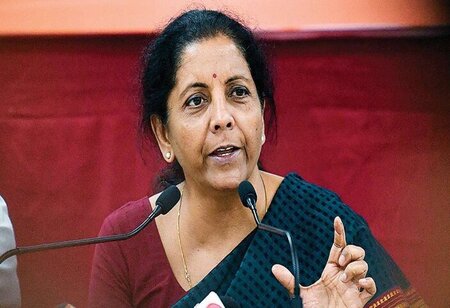
As India’s Union Budget 2026 approaches, businesses across sectors are urging the government to prioritise income tax reforms and robust support for manufacturing when Finance Minister Nirmala Sitharaman presents the fiscal plan on 1 February 2026. Stakeholders emphasise that the upcoming budget, Sitharaman’s ninth consecutive, should combine tax relief with policy clarity to stimulate investment, domestic production, and economic growth.
Key Highlights
- Industry urges income tax reforms and duty rationalisation to boost investment and manufacturing competitiveness.
- Budget 2026 expectations include MSME support, PLI incentives, and policy clarity for sustained growth.
Industry leaders and associations are calling for measures that lower the cost burden on manufacturers, simplify tax structures, and strengthen global competitiveness. Among their key recommendations are customs duty rationalisation, incentives for domestic manufacturing, and predictable policy frameworks that encourage both capital formation and expansion in high-growth sectors.
Investors and market participants are also urging reforms in capital market taxation, including adjustments to long-term capital gains thresholds and avoiding additional transaction taxes that could dampen market activity. Reducing input costs for electronic and technology manufacturers through lower import duties on critical components is another key demand aimed at boosting India’s domestic supply chain capabilities.
Also Read: Pre-Budget Insights 2026: What Will Shape India's Real Estate Future
Expectations for Budget 2026 extend beyond tax relief to include liquidity support for startups and MSMEs, export incentives, and targeted production-linked incentives (PLI) to reinforce India’s manufacturing base. With emphasis on strategic sectors such as technology, exports, and manufacturing, industry experts believe that a well-balanced mix of tax policy and direct support measures could significantly strengthen India’s growth outlook in 2026 and beyond.