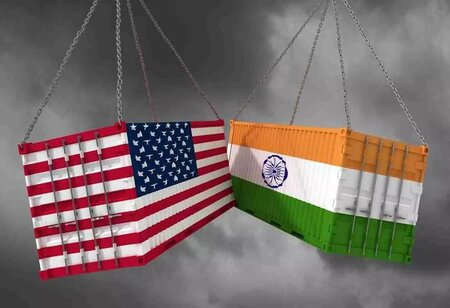
Clause 8 of the proposed interim trade agreement between India and the United States is emerging as a critical provision that could significantly enhance India’s strategic advantage in bilateral negotiations. The clause enables either country to reassess and revise its commitments if the other party alters previously agreed tariff structures, thereby ensuring balance and fairness in trade obligations.
Key Highlights
- Clause 8 enables India to revise commitments if US tariff policies change, protecting national interests.
- Provision strengthens India’s negotiating leverage amid uncertainty surrounding American trade and tariff regulations.
The importance of this provision has grown following a recent ruling by the US Supreme Court, which restricted the executive authority to impose broad-based tariffs. As a result, the United States replaced earlier concessional tariff arrangements with a flat 15% duty structure. This development has created uncertainty around future trade policies, making Clause 8 a vital safeguard for India.
Introduced at India’s insistence, the clause allows New Delhi to recalibrate its trade concessions in response to any policy shifts in Washington. This flexibility ensures that India is not bound by unfavourable or unilateral changes and can maintain a level playing field in cross-border trade.
Also Read: India & France Revise Tax Treaty, Scrap MFN Clause, Ease Dividends
Experts believe that Clause 8 could strengthen India’s bargaining power and help secure more favourable terms in the final trade agreement. By retaining the ability to adjust commitments, India can protect domestic industries, promote exports, and mitigate risks arising from unpredictable tariff regimes.
The inclusion of this clause reflects India’s broader approach to trade diplomacy, which prioritises strategic autonomy, economic stability, and long-term growth. Once finalised, the trade framework is expected to deepen economic ties, boost bilateral commerce, and foster stronger cooperation between the world’s two largest democracies.