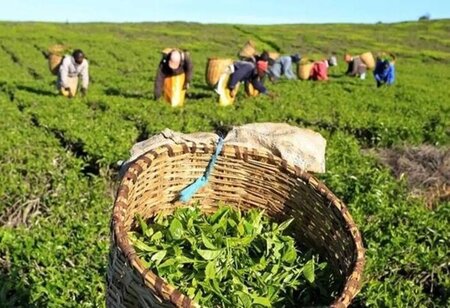
Production of the globally renowned Darjeeling tea is facing fresh uncertainty as tea factories in West Bengal’s Darjeeling district grapple with a shortage of industrial LPG, a key fuel used in tea processing. Industry bodies have warned that the supply disruption could affect manufacturing during the crucial harvest period.
Key Highlights
- Darjeeling tea production faces risk as factories struggle with industrial LPG shortages during crucial harvest season.
- Tea industry urges government intervention to ensure uninterrupted fuel supply and protect workers’ livelihoods.
The Darjeeling Tea Association has written to the Tea Board seeking urgent intervention to ensure uninterrupted fuel supply to tea factories. The association cautioned that a recent directive prioritizing LPG supply for household consumption could limit availability of industrial LPG for tea estates, potentially disrupting production.
Over the past decade, many Darjeeling tea estates have transitioned from coal-fired systems to industrial LPG for processing tea leaves. As a result, any disruption in LPG availability directly impacts the drying and manufacturing process in tea factories.
The situation is particularly concerning as the industry enters the first flush season (March–April), which produces some of the most premium tea exports from the region. The first flush accounts for roughly 20 percent of annual production and commands high prices in global markets.
Darjeeling’s tea sector is already facing structural challenges. Output has declined significantly over the decades, falling from around 14 million kg in 1990 to less than 6 million kg in recent years, with 2024 and 2025 witnessing historic lows in production.
Also Read: LPG Cylinder Shortage: Govt Assures100% Supply; Check City-Wise Prices
Industry leaders warn that a prolonged fuel shortage could further worsen the situation, affecting not only exports but also the livelihoods of approximately 55,000 workers and their families who depend on the Darjeeling tea industry.
The LPG shortage is part of a broader supply crunch impacting several sectors in India, as the government prioritizes domestic cooking gas supply amid global energy disruptions and geopolitical tensions affecting LPG imports.
Darjeeling tea estates are already under financial pressure due to rising input costs, labour expenses, and declining yields. Production costs can exceed ₹300 per kg, leaving thin margins for estate owners. Fuel shortages could further increase operational costs or halt production temporarily.