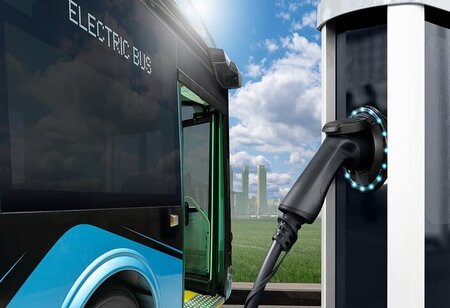
India is preparing a major push to accelerate electric commercial vehicle adoption, with the government considering incentives worth more than $1 billion to encourage private-sector operators to switch to electric buses and trucks. The long-term subsidy scheme is intended to lessen the reliance on fossil fuels, enhance energy security and address the escalating urban pollution, which pose substantial challenges to the country.
Key Highlights
- India plans $1 billion incentives to accelerate private electric bus and truck adoption nationwide growth.
- Policy aims to cut diesel dependence and boost clean commercial transport amid energy security concerns.
The project is supposed to be 10-year long and will concentrate on the private commercial vehicle fleet which is primarily operating in India, with a considerable share of assistance to the inter-city electric bus operators is expected to be focused on them, people involved with the matter said. Policymakers are expected to complete the framework this month, with discussions taking place between the Prime Minister's Office, industry lenders and manufacturers.
The final subsidy allocation, which categories of vehicles will qualify for subsidy and how it will be implemented are still being considered and may change as consultations proceed.
Energy Security Push Drives EV Commercial Vehicle Expansion
This sudden impetus from the government is in response to worries that India is heavily reliant on imported crude oil. India imports almost 90 percent of its crude oil needs and is therefore vulnerable to geopolitical tensions and oil-price volatility in the world.
The recent supply disruptions associated with rising tensions in West Asia has added to the worries about imported inflation and long-term energy resiliency, and hastened the push toward move toward domestic solutions for clean-energy transportation.
The electrification of commercial transport is seen to be one of the effective measures to reduce diesel dependence, particularly in the context of buses and trucks remaining as one of the major users of fossil fuels in the country.
The transition will not only have a positive impact on energy security but also air quality as well. The International Council on Clean Transportation (ICCT) highlights that up to 40 percent of annual fine particulate matter pollution in cities such as New Delhi comes from these vehicles and therefore the need to move to transport electrification for public health.
Also Read: India's EV Sales Stay Strong in April; Jan-Apr Volumes Jump Nearly 70%
Focus on Private Fleet Operators and Financing Support
Adoption of electric buses has been gradual over the last 5 years, and this has been primarily supported by state owned transport companies. High initial investment and the lack of financing have kept the private sector from getting moving in India's commercial transport sector.
The government controlled buses make up 5 percent of India's over 2 million buses running on the roads. Almost all trucks are privately owned, the largest user of diesel in the country.
To overcome the issue of cost, officials are looking at interest subvention benefits of up to Rs 15 lakh ($17,500) per vehicle over the lifespan of the vehicle, which will slowly be reduced.
The government is also looking at a partial credit guarantee scheme to stimulate banks and financial institutions to be more aggressive in their loans to commercial fleet operators investing in EVs.
There have also been industry consultations for the provision of charging infrastructure parks, concession of electricity tariffs and waiving tolls, and tax incentives to reduce the long-term operating costs.
The initial talks reportedly are regarding supporting around 10,000 e-buses and will be expanded to 40,000-50,000 vehicles in the future.
India Seeks to Catch Up Globally
Adoption of commercial EVs in India is much less than what is seen in the rest of the world. China has already hundreds of thousands of electric buses and trucks in use, and the United States and Europe are rolling out rapid fleet electrification for both logistics and public transport.
A proper subsidy scheme has the potential to change the commercial mobility landscape in India and build India's EV manufacturing ecosystem, says industry experts.
The proposed package represents India's most comprehensive government push to date in support of private commercial vehicles in India being electrified, though the Ministry of Heavy Industries (MHI) that oversees EV incentive programs has not made an official comment.