
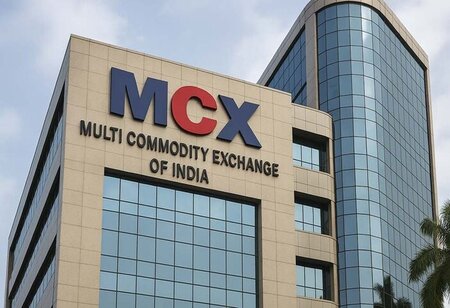
The Multi Commodity Exchange of India (MCX) plans Rs 100 crore investment in coal exchange after SEBI approval, aiming to boost transparency, price discovery, and efficiency in India’s coal market.
Key Highlights
- MCX plans Rs 100 crore investment in coal exchange venture after receiving SEBI approval for expansion.
- New platform aims to improve coal price discovery, transparency, and trading efficiency across India’s market.
With this move, MCX is expanding beyond its existing offerings in crude oil, natural gas, and electricity derivatives to include coal-one of India’s most critical energy commodities. The proposed coal exchange will operate as a wholly owned subsidiary, likely to be named MCX Coal Exchange Ltd, with scope to bring in strategic partners at a later stage.
This initiative aligns with MCX’s broader strategy to strengthen its footprint across the energy value chain and diversify its commodity trading portfolio.
The upcoming platform is designed to create a regulated, technology-driven marketplace for coal trading, enabling:
- Transparent pricing mechanisms
- Standardised contracts
- Efficient physical delivery of coal
Currently, coal pricing in India is largely influenced by administrative and bilateral arrangements, with limited market-based benchmarks. The new exchange aims to address this gap by improving price discovery and trading efficiency.
Also Read: Coal India's CMPDI Sets Rs 163- 172 Price Band for Rs 1,838-Crore IPO
Regulatory and Operational Roadmap
Following SEBI’s approval, MCX will proceed with incorporating the new entity and subsequently seek approvals from the Coal Controller Organisation of India to operationalize the platform., Initially, MCX will hold 100% ownership, ensuring full control during the early stages of development before potentially onboarding external stakeholders.
MCX’s move comes amid a broader push to formalize coal trading in India. Notably, the National Stock Exchange of India has also received regulatory approval to invest in a similar coal exchange initiative, signalling increasing institutional interest in this segment.