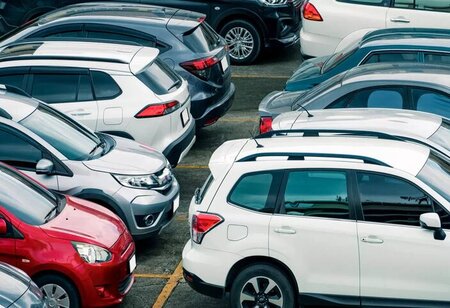
The Indian Passenger Vehicle (PV) market witnessed robust growth in June 2026, with sales growing 24.14% year-on-year to 3,97,607 units, up from 3,20,278 units in the same month last year. Even though a few manufacturers faced temporary disruptions in the supply chain, the industry has been able to move closer towards the 4 lakh mark as SUVs continue to enjoy robust demand, the entry level car segment has seen positive sales numbers, and the macroeconomic climate has been favourable.
The experts cited the positive effect of income tax reductions announced last year, subsequent reduction in the repo rate and GST reforms as the reasons for the healthy demand. They noted, however, that the consumer sentiment would continue to be affected by the geopolitical tensions in West Asia and monsoon's advancement in the coming months, despite the decline in crude oil prices.
Key Highlights
- India's passenger vehicle sales surged 24% in June, driven by strong SUV demand and improving entry-level car sales.
- Maruti Suzuki retained leadership while Tata Motors, Mahindra, Kia and Toyota reported robust sales growth in June.
Maruti Suzuki Strengthens Market Leadership
The market leader Maruti Suzuki India sold 1,47,187 passenger vehicles in the domestic market, which include a 23.7% year-on-year growth. The company will secure at least two percentage points of market share in both the wholesale and retail segment during the April-Jun quarter, taking the market share to approximately 41% taking into account final estimates from the industry, the company expects.
The automaker said that market demand for urban and rural products, especially SUVs and compacts, fueled the increase. Retail demand was healthy with more than 53% of its sales being in rural markets and its dealer inventory at around 75,000 vehicles (or nearly 14 days) of stock. The company has also enhanced its production capacity after its Kharkhoda factory was expanded.
Tata Motors Retains Second Position
Tata Motors retained its second position in the nation as domestic sales of wholesales jumped 67% year-on-year to 62,076 units. Total passenger vehicles sold (including exports) rose 69% to 63,083 vehicles.
The company's electric vehicle (EV) segment also saw excellent growth as combined domestic and export electric vehicle sales grew to a record 14,800, representing 23.4% of the company's total passenger vehicle sales. Tata Motors said there were some supply issues faced in the production of its recently launched Sierra in the region while the bookings at the dealerships have not moderated.
Also Read: Private Firms' Sales Growth Accelerates to 13.9% in Q4 FY26: RBI Data
Mahindra Records Record Sales of SUVs
Mahindra & Mahindra (M&M) kept its momentum going with a year-on-year rise of 28% in domestic sales of SUVs, with a total of 60,393 units sold. The firm also recorded its first-ever monthly passenger vehicle sales of over 60,000 units and total automobiles sales grew by 37% to 1,06,207 units.
Hyundai Faces Temporary Supply Challenges
Hyundai reported domestic sales of 39,635 units, which are almost 10% fewer than a year ago, owing to a fire at one of its suppliers that caused a temporary loss of production of nearly 13,900 units. Alternate sourcing arrangements have brought production back and normal operations are returning from June 22, the company said.
Toyota, Kia and Skoda Continue Growth Momentum
Other manufacturers have seen sales increases as well, with Toyota Kirloskar Motor posting a 7.5% jump in domestic sales and Kia India improving to 24,552 vehicles, setting one of the highest sales standards in June. Skoda India also reported decent sales, selling 6,220 cars in the domestic market compared to 5,014 last year.
Outlook
June's results highlight the strength of India's passenger vehicle segment, with SUVs maintaining their dominance and entry-level cars making a comeback. While the supply chains have settled in, automakers continue to be wary of oil price fluctuations and the monsoon weather, which could affect vehicle prices and consumer demand in the near term.