
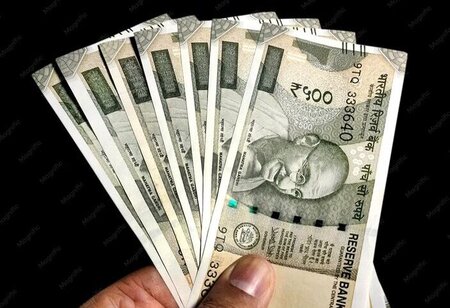
The Reserve Bank of India is reviving its long-pending plan to introduce polymer or plastic currency notes in India as demand for physical cash continues to surge despite rapid digital payment adoption. Discussions around polymer banknotes were held during the central bank’s recent board meetings in Patna and Mumbai,according to reports.
Key Highlights
- RBI is reviving plans to introduce plastic banknotes amid rising demand for physical cash circulation.
- Currency printing costs and disposal of soiled notes have surged sharply during the last financial year.
The RBI is considering polymer-based banknotes primarily due to their longer shelf life, lower replacement frequency and potential reduction in overall currency printing costs. A pilot rollout of plastic banknotes for public circulation is expected to be announced soon.
Industry experts say polymer notes are significantly more durable than traditional paper currency and can withstand heavy circulation, especially in lower denominations that are more prone to wear and tear.
Also Read: RBI Announces $5 Bn Forex Swap to Ease Rupee and Liquidity Pressure
Rising Currency Demand Drives RBI’s Push for Plastic Notes
The move comes as India witnesses a sharp rise in currency circulation. RBI data showed currency in circulation rose 11.5% year-on-year to touch a record ₹42.86 trillion as of May 15, indicating sustained demand for cash transactions despite continued growth in UPI and digital payments.
The central bank’s annual report also revealed that expenditure on currency printing increased sharply to Rs 6,372.8 crore in FY25 from Rs 5,101.4 crore in the previous financial year due to higher demand for banknotes.
At the same time, disposal of soiled notes has remained elevated. Around 23.8 billion pieces of damaged or soiled banknotes were withdrawn during FY25, up more than 12% from the previous year. The majority of discarded notes belonged to the Rs 500 and Rs 100 denominations.
Officials believe polymer notes could help significantly reduce replacement costs and improve operational efficiency for the currency management system.
The RBI had earlier explored polymer currency introduction in 2012 under a field trial involving Rs 10 notes across five cities. However, the initiative was eventually shelved due to technological and operational limitations at the time.
Advances in currency-handling infrastructure and ATM compatibility have resolved many of those earlier challenges.
Globally, more than 60 countries have already introduced polymer banknotes, including Australia, Canada, Singapore and Romania. Australia became the first country to launch polymer notes in 1988.
The renewed push for plastic notes also comes amid broader changes in India’s currency ecosystem. The RBI has gradually reduced circulation of higher denomination notes, while the digital rupee and UPI ecosystem continue expanding rapidly. Recent RBI data showed that over 98% of withdrawn Rs 2,000 notes have already returned to the banking system.
Financial experts believe polymer notes could improve note durability, reduce counterfeiting risks and lower long-term printing expenses if implemented at scale.