
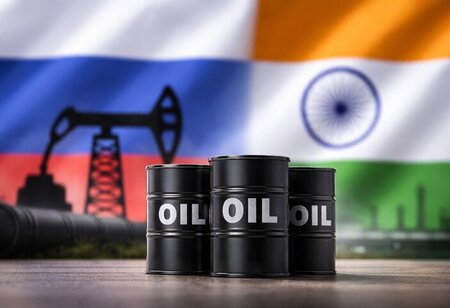
Russia to increase oil and LNG supply to India amid escalating tensions in West Asia, which have disrupted global energy markets and triggered price volatility. The move highlights deepening energy cooperation between the two countries as India looks to secure stable fuel supplies.
Key Highlights
- Russia offers to increase crude oil and LNG supply to India amid West Asia crisis.
- Move aims to strengthen India energy security as global markets face volatility due to disruptions.
Russia offers to India at a time when disruptions in the Strait of Hormuz- a key global energy transit route - are impacting nearly 20% of global oil and gas flows, leading to supply uncertainty and rising prices.
The proposal was conveyed by Denis Manturov during high-level meetings with Indian leadership, including S. Jaishankar and Ajit Doval. Discussions focused on strengthening bilateral energy ties and ensuring uninterrupted fuel supplies.
Russian officials stated that domestic companies have the capacity to steadily ramp up crude oil and liquefied natural gas (LNG) exports to India, reinforcing Moscow’s role as a key energy partner.
India, one of the world’s largest energy consumers, has traditionally relied heavily on imports from West Asia. However, ongoing geopolitical tensions have prompted New Delhi to diversify its energy basket.
Also Read: India's Russian Crude Import Surge 90% in March Amid Hormuz Crisis
Data shows that India imported $1.98 billion worth of crude oil from Russia in January 2026, although Russia’s share declined to 19.3%, indicating fluctuating supply dynamics amid global pressures.
The latest offer from Russia is expected to help India mitigate risks associated with supply disruptions and ensure energy security.
The ongoing crisis in West Asia has led to significant volatility in global oil and gas markets. Benchmark crude prices have surged, with Brent crude rising above $100 per barrel, while India’s crude basket reached $120.84 per barrel recently.
The Strait of Hormuz, a critical chokepoint, remains central to the crisis, with disruptions impacting global supply chains and raising concerns about inflation and economic stability.