
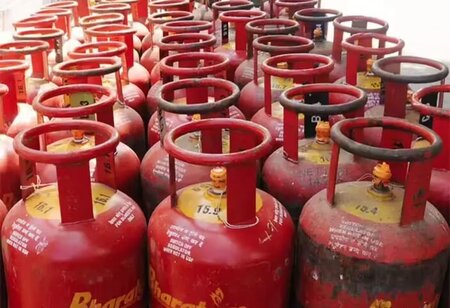
Rising geopolitical tensions in West Asia are beginning to impact India’s energy supply chain, triggering concerns over a cooking gas shortage and its potential impact on inflation. Supply disruptions from the region—where India sources a significant portion of its energy imports—have already led to shortages of commercial LPG cylinders in several cities, forcing businesses to increase prices and cut operations.
Key Highlights
- West Asia tensions disrupt LPG and gas supplies affecting Indian businesses.
- Gas supply disruptions could add to inflationary pressures.
- Government says domestic fuel supplies remain stable for households.
Small restaurants and food stalls are among the worst affected. Some establishments have reportedly increased food prices after struggling to procure commercial LPG cylinders, often having to purchase them in the black market at significantly higher prices. In certain cases, eateries have even reduced menu options or temporarily halted operations due to the lack of cooking fuel.
The gas crunch comes amid wider disruptions in global energy markets caused by conflict in West Asia and risks to key shipping routes such as the Strait of Hormuz, through which a large share of the world’s oil and natural gas passes. These disruptions have pushed crude oil prices above $100 per barrel, intensifying concerns about higher import costs for energy-dependent economies like India.
Also Read: India's Retail Inflation Rises to 3.21% IN February
Economists warn that rising cooking gas prices and supply constraints could lead to broader inflationary pressures, particularly in sectors such as food services, hospitality, and manufacturing. The shortage could also affect output in certain industries that rely on LPG and natural gas as a key fuel source.
The Indian government, however, has sought to reassure consumers that domestic fuel supplies remain stable and that priority sectors are receiving adequate LPG allocations. Authorities are monitoring the situation closely and may take additional steps to prevent panic buying or price spikes.
Despite these assurances, analysts believe that if the West Asia conflict persists, India’s heavy reliance on imported energy could continue to expose the economy to volatility in fuel prices and supply disruptions—raising the risk of inflation in the coming months.