
Startups in the MENA region face unique challenges and regulatory hurdles when transitioning from private to public companies. Speaking of which, one key challenge is the requirement in many MENA markets for companies to demonstrate positive net income before being eligible for public listing. This criterion can significantly limit startups that are still heavily investing in growth and not yet profitable. Although the Nomu exchange in Saudi Arabia allows listings without positive net income, this option remains largely untested, and the market's liquidity is relatively lower compared to more established exchanges. Consequently, many startups consider either delaying their public listing until profitability is achieved or exploring opportunities to list on international markets.
Additionally, the process of going public entails substantial time and financial commitments. Startups must navigate complex procedures, including IPO preparation, initial filings, quarterly reporting, securing research coverage, and managing ongoing compliance requirements. To address these challenges effectively, startups typically engage IPO readiness advisors. These professionals help streamline the process, ensuring that the company is well-prepared for the transition and positioned to optimize the benefits of becoming a publicly listed entity.
Understanding the Quintessential Factors
Cultural and economic factors in the MENA region play a significant role in shaping investor sentiment toward unicorn IPOs. MENA investors often prioritize stocks that provide dividend yields, even those associated with high-growth companies such as Talabat. This preference reflects a cultural inclination toward stable returns and tangible income, which can pose a challenge for growth-focused startups aiming to go public.
To attract both regional and international investors and enhance market interest, startups should adopt a balanced approach that combines growth with yield. This strategy involves demonstrating robust growth potential while committing to regular dividend payouts. For instance, a healthy dividend yield of at least 2-3 percent is generally expected for high-growth companies, while moderate-growth firms might target yields of 4 percent or more. So to say, companies with slower growth trajectories should consider offering yields of 5 percent or higher to meet investor expectations.
By catering to these preferences, startups can increase free float, improve market liquidity, and build broader investor confidence. This balanced approach ensures that the company appeals to a diverse investor base, thereby strengthening its position in the competitive MENA market.
Government support and policy play a crucial role in fostering unicorn growth in the MENA region and enhancing IPO readiness. Simplifying procurement processes for government and state-owned enterprise (SOE) contracts allows startups to compete more effectively, scaling their B2G and B2B revenues and profitability ahead of an IPO.
Similarly, streamlining licensing processes for B2C offerings helps startups expand more efficiently, boosting revenues and market presence. These regulatory measures create a supportive environment for growth, increasing investor confidence and positioning MENA unicorns for success in public markets.
To attract both regional and international investors and enhance market interest, startups should adopt a balanced approach that combines growth with yield. This strategy involves demonstrating robust growth potential while committing to regular dividend payouts
Staying at Par with Global Standards
To meet the transparency and reporting standards of global stock exchanges, MENA unicorns must strategically enhance their operational and financial frameworks. Key steps include investing in dedicated teams for reporting, investor relations, communications, and ESG compliance. This ensures they can produce comprehensive financial and sustainability reports within 45 days of each quarter’s end, host informative earnings calls, and engage effectively with research analysts, institutional investors, and the retail market.
Additionally, establishing robust corporate governance structures is essential. Startups should form required board committees with qualified independent members to meet exchange standards and foster investor confidence. These measures not only demonstrate transparency and accountability but also position the company as a well-governed, credible player in the global market, enhancing its attractiveness to international investors.
Emerging MENA startups can gain valuable insights from the IPO journeys of successful unicorns in the region. Key lessons include the importance of cultivating a long-term, supportive institutional investor base. These investors can stabilize the stock by buying during market dips, ensuring sustained confidence and trading support. Maintaining healthy daily liquidity is also critical; an initial target of $3-5 million, with a goal of reaching $10 million, enhances accessibility for institutional long-only investors and boosts market participation.
Choosing a listing venue familiar to the company’s operational region further builds investor trust, as local investors are more likely to understand and support the business. Lastly, startups must strike a balance between an exciting growth narrative and a commitment to cash flow distribution or capital returns over time. This approach appeals to diverse investor profiles and fosters long-term, sustainable growth.
About the Author
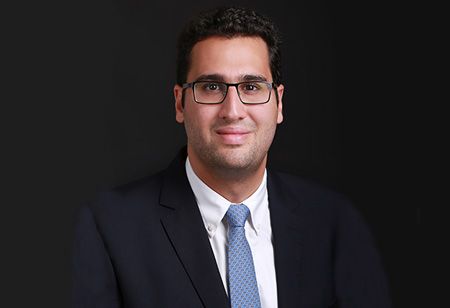
Youssef Salem is the CFO of ADNOC Drilling, the world’s largest integrated driller listed on the Abu Dhabi Securities Exchange (ADX). His extensive experience includes serving as CFO of AIQ, MENA’s fastest-growing and first AI unicorn, and as CFO and Director at Swvl, the world’s first mass transit marketplace to go public and MENA’s first unicorn listed on Nasdaq.
To speak of his previous stints, Youssef was an Executive Director and Senior Advisor at Moelis, where he accumulated 13 years of investment banking experience, executing over $100 billion in capital raises, financings, M&A, and restructurings across more than 60 transactions. He is the Founder of Qora71, a Hub71-backed venture syndicate, and an Entrepreneur in Residence at Hub71. Additionally, he serves as an Adjunct Professor of Practice at the American University in Cairo and holds board or advisory roles in multiple technology companies and funds. A CFA Charterholder and Fellow of the Society of Actuaries, Youssef was the youngest CFO on both Nasdaq and ADX and was featured in Forbes Middle East’s 30 Under 30 list.