
India’s healthcare sector has experienced incredible growth in recent years, driven by increasing investments, technological advancements and evolving patients' needs. Among the several segments within the industry, daycare services have appeared as notable trends, offering cost-effective solutions for both patients and healthcare providers.
Today, the healthcare sector is witnessing quite an upsurge, heartened by substantial investments and expansions by private as well as funding from several sources. Rapid urbanization and a growing population have enlarged the demand for accessible and affordable healthcare services. However, the disparity between urban and rural healthcare access remains a challenge; cities are better provided with good quality healthcare facilities, while rural people lag behind.
Furthermore, the Indian Government has limited funds provided for healthcare, which further limits the sector’s ability to address the big and diverse needs of India’s burgeoning population. The adoption of well developed medical technologies and procedures has transformed the way healthcare is delivered. For instance, robotics surgeries and minimally invasive procedures are becoming more common, driving up demand for specialized facilities that can offer these services. Despite the robust growth, the healthcare market faces pressing challenges, including an imbalance in the distribution of resources and a shortage of trained professionals willing to practice in rural services.
Financial liquidity and Cost-Effectiveness of Robust Daycare Model
The Financial Liquidity of healthcare services, especially in the daycare segment, plays a major role in making healthcare more affordable. Daycare centers, also known as Ambulatory Service Centers (ASC), focus on providing outpatient procedures that do not require overnight stays. This model instantly reduces the infrastructure costs associated with maintaining large hospital facilities.
By employing existing hospital infrastructure during off-peak hours or leasing equipment, daycare centers can offer competitive pricing for procedures. Many daycare centers hire a commission-based payment model for surgeons, as opposed to fixed salaries. This approach orients the interests of the surgeons with the center's goals, encouraging high performance and efficiency. Furthermore, this model also helps in managing operational costs and securing that expenses are directly linked to income generation.
Also to note, daycare centers enhance the use of the medical equipment and facilities by scheduling procedures during less busy times or by employing shared resources. This efficiency reduces the overall cost of care and makes it possible to offer lower prices to patients without compromising on quality. Here, patients are classified based on their insurance coverage and financial status. Those with sufficient insurance, underinsured individuals, and those paying out-of-pocket or through EMI options are all addressed with tailored pricing models. So to say, this segmentation helps in serving a broad spectrum of patients and a better accessibility to health service.
The daycare segemnet’s financial model presents several advantages for both patients and healthcare providers. Patients benefit from significantly reduced costs for surgical procedures, often saving up to 50-60 percent compared to traditional hospital settings. This cost reduction is attained without compromising the quality of care, as daycare centers cling to meticulous standards and make sure equivalent medical outcomes. By leveraging existing hospital infrastructure and employing a commission-based model, daycare centers can increase their revenue streams while keeping operational costs in checks. Furthermore, surgeons and hospitals alike benefit from higher earnings through increased procedure volumes and efficient use of resources. Daycare centers offer a streamlined and focused approach to care delivery, wherein, patients experience shorter wait times, more personalized service, and fewer complications due to the specialized nature of these centers. This improved patient experience contributes to higher satisfaction and better outcomes.
Efficient & Seamless Approach towards Healthcare Delivery
Ambulatory Service Centers (ASCs) are becoming rapidly prominent as a solution to the challenges faced by traditional hospitals. ASC’s have lower overhead costs due to smaller facility sizes and reduced equipment needs compared to full scale hospitals. This allows for more efficient use of resources and less prices for patients.
Additionally, investors are increasingly interested in the scalability and profitability due to lower cost and efficiency. It generates income through various services and pricing models, including partnerships with hospitals and insurance companies. They also achieve cost savings through the leasing of equipment and facilities, as well as enhancing patient throughput and minimizing idle times.
As effective healthcare budgeting involves a balance between operational costs, patient pricing, and revenue generation, the successful model for an ASU includes careful planning and execution of cost-saving measures, strategic partnerships, and continuous changes to industry trends. Moreover, venture capital and private equity companies are targeting these facilities for high returns and growth prospects. And given the situation, cost-Benefit Analysis is essential for stakeholders when evaluating the financial viability of ASCs. Detailed assessments of operational costs versus potential revenue is also crucial to guide investment decisions and strategic planning.
So to conclude, the daycare segment is positively evolving the Indian healthcare landscape by providing affordable, high-quality care through innovative models. The financial benefits of daycare services for both patients and providers are obvious in the reduced costs and improved operational efficiency. As the healthcare sector continues to develop, the integration of ambulatory service units and adaptive budget models will play a major role in shaping the future of healthcare delivery in India. Embracing these changes and introducing new technologies will clinch that healthcare remains accessible, affordable, and effective for all segments of the population.
About the Author
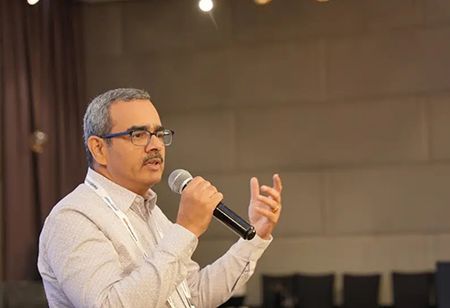
Vinod Changaramkandam, Head of Finance at Medfin, is a seasoned finance professional with over three decades of experience in accounting, auditing, compliance, and financial management across diverse industries and had his own start up in online restaurant table reservation & marketing. Vinod has a proven track record of establishing robust accounting systems in start-up environments (Yahoo-India, AirDeccan, Furlenco, Zest Money, etc), leading financial reporting, and ensuring regulatory compliance. His expertise spans collaborations with renowned financial institutions like HDFC and Axis Bank, among others. He has also carried out successful fundraising initiatives and meticulous financial modeling.