India stands at a watershed moment for healthcare innovation. Much like the country’s remarkable leaps in telecom and fintech - where resource limitations spurred highly inclusive, tech-driven models - healthcare is primed for a similar revolution. Rather than mirroring Western systems, India can harness its strengths in Artificial Intelligence (AI), digital infrastructure, and frugal innovation to create a homegrown blueprint that is not only transformative domestically but also serves as a template for other developing nations. As the Union Budget 2025–26 approaches, the nation looks to the government to pave the way for healthtech’s accelerated growth through targeted policies, strategic investments, and regulatory frameworks.
According to various industry analyses, India’s healthtech market is on an impressive growth trajectory. With around 10,000 startups already operating in the ecosystem, the industry’s value is projected to triple by 2028 as demand for innovative solutions continues to surge. Healthtech could comprise as much as 35% - or a staggering USD 21 billion - of the country’s USD 60 billion healthcare innovation market by 2028, according to a survey by Bain & Company and HealthQuad. Such numbers underscore a central truth: with the right support, India can truly become a global healthtech powerhouse.
Policy Focus on Innovation and Research
India’s healthtech surge needs to be fueled by cutting-edge innovations in AI, medical devices, and digital health solutions tailored to Indian realities. The government should enhance public-private partnerships (PPPs) by connecting startups with premier institutions such as IITs, AIIMS, and other top medical colleges. This synergy ensures tomorrow’s doctors and healthcare professionals are trained not just in device usage, but in digitally driven care models from the outset. Focused R&D funding in the budget can accelerate rapid prototyping and knowledge exchange, while HealthIT Parks - where startups, academia, and investors converge - can streamline the path from concept to market.
Infrastructure Development for Health Technology
Scaling healthtech hinges on robust digital and physical infrastructure. Strengthening broadband and mobile coverage will broaden telemedicine, remote diagnostics, and AI-driven patient monitoring in underserved areas. At the same time, modern labs and manufacturing units are crucial for producing cost-effective medical devices and AI tools domestically, reducing reliance on imports. Government hospitals should be mandated to pilot new healthtech innovations, gathering real-world feedback to refine solutions before nationwide deployment. This approach can dramatically shorten time-to-market for critical technologies.
Investment in Talent and Workforce Development
Even the best AI platforms cannot replace the importance of skilled human resources. To maximize impact, the Union Budget should incentivize educational programs in AI-led healthcare, data analytics, and digital health management. Crucially, medical institutions must collaborate with healthtech firms so that emerging clinicians develop a deep understanding of how technology can improve patient outcomes. By integrating digital solutions such as Healthmates AI Agents into medical curricula, India can create a workforce poised to embrace innovation and deliver care more efficiently.
Strengthening the Regulatory Framework
A dynamic yet locally relevant regulatory ecosystem is essential for India’s ascent as a healthtech leader. Aligning data privacy standards with frameworks like GDPR and HIPAA will boost investor confidence and safeguard patient information. Simultaneously, fast-tracking approvals for AI-based diagnostics, workflow automation, and teleconsultation services will ensure that game-changing solutions reach patients swiftly. Clear national guidelines - akin to the role of UPI in finance - can reduce fragmentation and help innovators focus on addressing India’s pressing healthcare challenges.
Financial Support and Incentives for Startups
Startups remain the bedrock of India’s healthtech evolution. The Union Budget should set aside tax incentives, venture capital support, and commercialization grants to help early-stage ventures bridge the gap from prototype to large-scale adoption. By tying fiscal benefits to innovations targeting underserved rural and semi-urban populations - where most Indians still lack reliable healthcare access - the government can simultaneously nurture social impact and economic growth. Such policies will encourage entrepreneurs to solve India’s most urgent healthcare challenges.
Enhancing Public Health Impact
Ultimately, healthtech’s value lies in improving patient outcomes and broadening access. When underpinned by solid connectivity, telemedicine can connect specialized clinicians in urban hubs with patients in remote villages. AI analytics can assist in managing chronic conditions by issuing real-time alerts to healthcare providers. Meanwhile, government hospitals, in partnership with startups, can address last-mile healthcare delivery, pilot preventive care strategies, and refine successful prototypes for broader deployment. India’s tradition of frugal innovation further ensures that these solutions can be replicated in developing nations worldwide.
Conclusion: A Blueprint for India as Healthtech Capital
The Union Budget 2025–26 provides a rare opportunity to redefine healthcare on Indian terms. By prioritizing a UPI-like standard for health data, establishing HealthIT Parks, and focusing on R&D alliances among top institutions, India can spur a wave of digital healthcare breakthroughs. When combined with an agile regulatory framework, financial incentives for startups, and a tech-savvy medical workforce, these measures will reshape healthcare access domestically and position India as a role model for similarly constrained nations. The stage is set for India to lead a global healthtech revolution—making high-quality, affordable healthcare within reach for millions.
About the Author
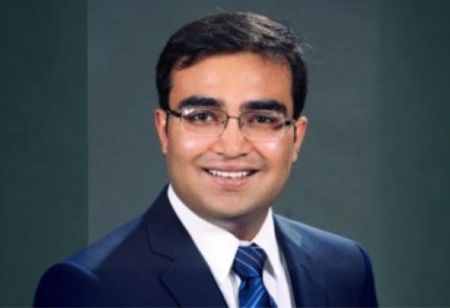
As a seasoned leader with 15 years of experience, Shitiz Ruhail has excelled in driving business transformation, strategic planning, and mergers and acquisitions across diverse sectors, including healthcare and finance. As Co-Founder and Chief Growth Officer at Digital Darwin, he plays a crucial role in shaping the company’s strategic direction and growth initiatives Shitiz holds an MBA from the Indian School of Business (Class of 2013) and has a proven track record of fostering innovation and achieving measurable results. His experience includes serving as Executive Director at the Smarten Group of Schools and as an advisor to multiple startups, where he leveraged his expertise to guide emerging businesses. His extensive background also encompasses key positions like Senior Vice President at The HCI Group, Strategy Head for the Healthcare & Life Sciences vertical at Tech Mahindra, and Head of Strategy & Planning at Continental Hospitals.