
The New Income Tax Act, 2025 (Effective April 1, 2026)
After the BUDGET session 2026-27, the transition from the 60-year-old Income Tax Act of 1961 to the Income Tax Act, 2025 is the most significant regulatory trigger for HNIs. For instance, there is a mandatory digital compliance, wherein, the new act mandates digital books of accounts for professionals and introduces a ‘Virtual Digital Space’ for monitoring online trading accounts and global asset ownership.
Furthermore, there is a high-value reporting: individuals with annual financial transactions exceeding INR 5 crore must now file detailed asset and income reports, making professional tax-optimized structuring essential to avoid legal complications.
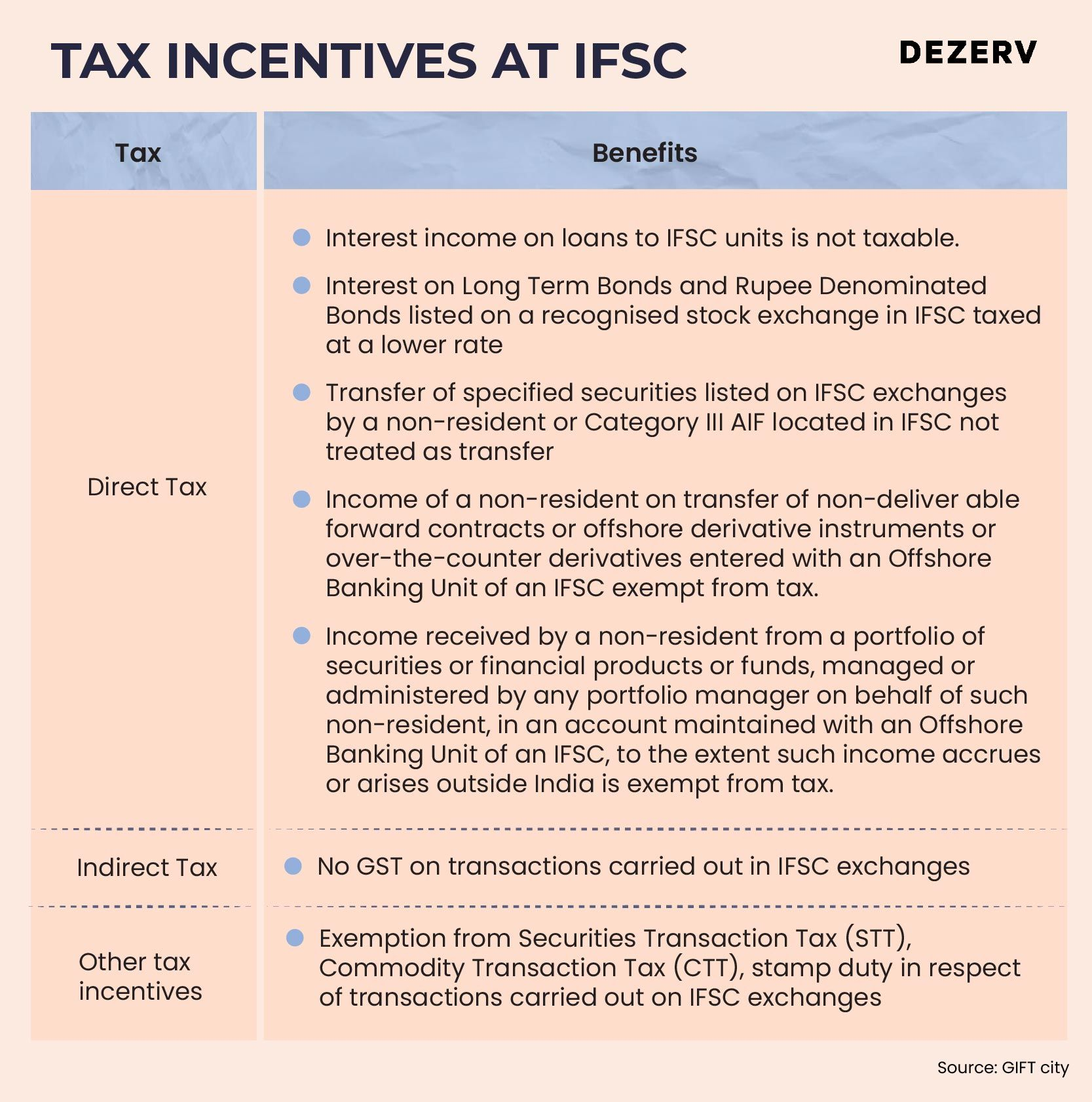
Lastly, tax neutrality for relocation which is starting April 2026, will bring forth a new regime which will allow offshore mutual funds and ETFs to relocate to GIFT City without triggering capital gains or exit taxes, prompting a massive restructuring of HNI portfolios away from Singapore and Mauritius.
Explosion of Alternative Investment Funds (AIFs)
Another important aspect to be covered would be that the traditional portfolios centered on gold and real estate are no longer sufficient for alpha in 2026. Today, we see an inclination of HNIs toward Alternative Investment Funds (AIFs), with total commitments surpassing INR 15.05 lakh crore by late 2025.
From the private credit & equity front, these have transitioned from niche to mainstream, with family office allocations to alternatives now exceeding 40% in 2026. There is also a dire need to mitigate complex asset allocation.
The new SEBI rules in 2026 enforce stricter "true-to-label" categorization for mutual funds, raising minimum equity limits to 80 percent for several categories. This forces HNIs to seek wealth managers who can navigate specialized "Life Cycle Funds" and sectoral debt products.
Globally, the MFO model has evolved toward transparent, fee-based advisory structures, and Indian MFOs are moving in the same direction. As families mature in their understanding of financial services, they are becoming more willing to pay for value rather than distribution. - By Dhruv Chopra, Managing Partner at Dewan P N Chopra & Co and Managing Director of DPNC Advisors Pvt Ltd