
The "Great Wealth Transfer" in India
India is entering a peak phase of intergenerational wealth transfer, with next-generation heirs (many under 40) demanding different standards than their parents.
Succession Planning: Reports indicate only 30 percent of Indian UHNIs have formal estate plans, despite an estimated INR 4.74 lakh crore set to be inherited over the next 15 years.
Digital-Native Demands: The new cohort of wealth creators expects "Cyborg" advisory—a hybrid model combining AI-driven portfolio visibility with expert human judgment for complex legacy transitions.
Strategic Use of GIFT City (IFSC)
GIFT City has matured into an institutional-grade jurisdiction by 2026, offering sovereign tax benefits that outperform traditional offshore hubs.
Tax Savings: HNIs investing through GIFT City can save 10 percent to 30 percent on taxes compared to mainland India, with zero Securities Transaction Tax (STT) and 100 percent tax exemption on derivative income.
Global Diversification: Professional managers are now essential to help HNIs utilize the Liberalised Remittance Scheme (LRS) to access global equities through GIFT City-based feeder funds in a compliant, dollar-denominated manner.
HNIs Population Growth & Projections
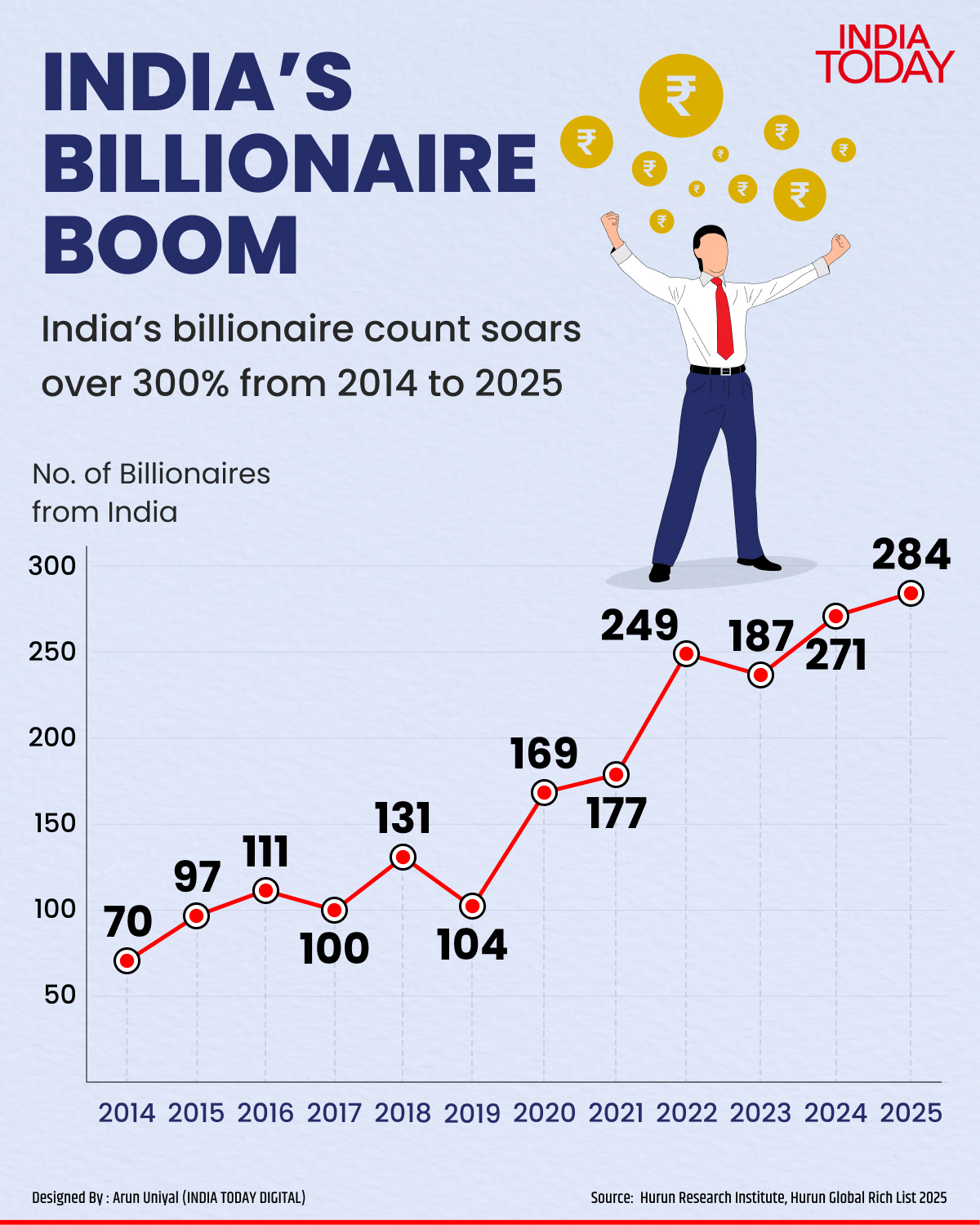
According to India Today, India hosts approximately 8.5 to 8.7 lakh HNIs as of 2026. This reflects the country’s robust economic growth, thriving capital markets, and strong entrepreneurial ecosystem. The rapid rise of new-age startups, digital enterprises, and wealth creation through equity participation has significantly accelerated asset accumulation across metros and emerging Tier-II cities alike.
By 2027, the HNI population is projected to nearly double to around 1.65 million, underscoring the compounding impact of rising financialization, expanding IPO markets, and increasing global exposure of Indian businesses. The shift from traditional assets like gold and real estate toward equities, alternative investments, and structured financial products is also contributing to this upsurge.
Looking further ahead, analysts expect India’s HNI base to surpass 4–5 million by 2047, aligning with the country’s long-term GDP growth trajectory and its ambition to become a developed economy. Currently ranked 4th globally—behind the United States, China, and Japan—India’s accelerating wealth creation story positions it as one of the most promising markets for private banking, wealth management, and global investment advisory services in the decades ahead.