
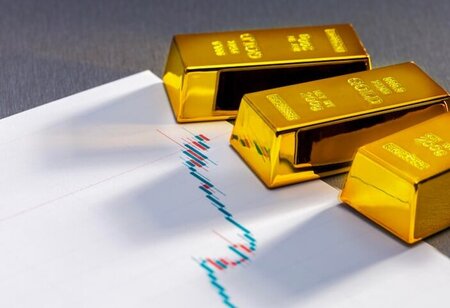
After the sharp corrective move from its January 2026 peak, the gold prices have raised doubt on whether now is the right time for gold buyers to enter the market, considering the correction. Spot gold on the Multi Commodity Exchange of India (MCX) reached a new high of Rs 1,76,306 per 10 grams on January 29 but dropped to a fresh low of Rs 1,40,664 for the month on October 27, losing about 20.21%. The correction can provide an opportunity to new investors, but experts recommend that investors be disciplined and not look for a quick recovery.
Key Highlights
-
MCX gold prices fell 20.21% from its January peak, prompting investors to reassess buying opportunities ahead of Dhanteras.
-
Experts recommend staggered gold purchases as interest rates, bond yields and central bank demand influence prices.
Gold Prices Today Ahead of Dhanteras 2026
In recent months, MCX gold prices have been trading on the low side from its January peak. The highest price of metal was seen in September on September 4 when it touched Rs 1,54,494 per 10 grams. The reported peak in October was reached on 09/10 at Rs 149,970 and the price reached its lowest level on 27/10 at Rs 140,664.
The correction has caused a difficult situation for investors who purchased gold at its highs. But, the lower price could be beneficial for those who wish to invest in gold, with Dhanteras 2026, the festival in which people usually invest in gold, just around the corner.
The attractiveness of the current level at which the investor can purchase an investment depends on the investor's time horizon, risk tolerance and investment product.
Why Are Gold Prices Falling in 2026?
India Bullion and Jewellers Association President Prithviraj Kothari said there were several reasons for the depreciation but the primary ones were the US Federal Reserve's rate hike from 3.75% to 4% in September, increased yield of 10-year Treasury bonds, dwindling gold purchases by central banks and rising crude oil prices.
If bond yields are higher, interest-bearing assets will appear more appealing than assets that do not pay regular interest, such as gold. Bullion prices can also be affected by changes in central bank demand and other macroeconomic factors.
Suvankar Sen, Managing Director and CEO of Senco Gold, said the fall was as it should be after precious metals had done a tremendous job of rallying. Speculative buying and selling heat can be followed by consolidation, he said. On this basis, the recent pullback is not a definitive sign of a long-term decline in the case for gold.
Can Gold Prices Recover to Their Peak in 2027?
Market experts do not expect gold to return to its January peak immediately.
Prithviraj Kothari expects a possible recovery towards peak levels in 2027–28 but highlighted the pressure from elevated US yields and the Federal Reserve's monetary policy outlook. He identified $3,900–$4,000 per ounce as important support levels to watch.
Vedika Narvekar, research analyst for commodities and currencies at Anand Rathi Share and Stock Brokers, said a full recovery could take more than a year. She identified the US Federal Reserve meeting scheduled for October 27–28 as a key market trigger, adding that a sustained recovery would require more supportive monetary conditions.
These views underline the uncertainty surrounding the near-term direction of gold prices. Investors should avoid assuming that a decline from the peak will automatically be followed by a rapid rebound.
Should You Buy Gold on Dhanteras 2026?
Financial experts advise investing in small chunks as opposed to investing all the funds at once.
Suvankar Sen said investors need to focus on diversifying their gold holdings rather than waiting for prices to get back to their peak. He recommended flexible advance booking or staggered buying to those who would like to benefit from price changes.
Prithviraj Kothari further advised to split an investment in to four to six parts spread across three to six months. Adding to this, he added that in the event of prices falling towards $3,800 per ounce, which he figures at around Rs 1,35,000 per 10 grams on MCX, it would be worth considering the possibility of additional purchases.
A staged investment strategy limits the risk of putting all of the money into the market just prior to another correction. But it doesn't guarantee profits or even that investors will not see additional declines.
Which Is Better for Gold Investment Physical Gold, ETFs or SGBs?
Depending on the main mission, the right form of investment in gold is chosen – either jewellery making, or financial diversification, long-term investment in gold for wealth allocation.
Gold ETFs: Vedika Narvekar pointed out that many investors interested in buying gold may find gold exchange-traded funds (ETFs) to be a good choice. ETFs follow the gold price, do not require physical storage and do not incur jewellery making fees. Fund expenses, liquidity and tracking differences should also be considered by investors.
Physical gold and jewellery: Suvankar Sen said that physical gold and handcrafted jewellery still has relevance as it is considered not just as an investment but also as a piece of personal adornment. When purchasing jewellery, though, there may be charges made and GST applied, which can impact the cost of ownership.
Sovereign Gold Bonds (SGBs): Prithviraj Kothari has said that he preferred to buy SGBs when they were offered fresh and keep them until their maturity since they pay interest and offer the scope of tax benefits, as applicable. Investors should check the tax treatment applicable to their purchase date and circumstances.
Investors should know how digital gold and other products are structured, the costs and the liquidity and the laws applicable before investing. Digital gold should not be considered as a universal substitute to exchange traded or government issued investment products.
Prithviraj Kothari also talked about the tax aspects of the ownership of gold ETFs and other means of owning gold. Investors should check the current tax provisions before investing as the rules may change and could vary depending on the date of the acquisition, type of products and their holding period.
Also Read: Gold Prices Fall Rs 8,500 in 10 Days to Rs 1.46 per Lakh: What's Next?
Gold Price Trend on MCX From January to October 2026
The supplied MCX data shows that gold prices fluctuated significantly during 2026, with repeated corrections and recoveries before the latest October decline.
|
Month |
Highest price per 10 grams |
Lowest price per 10 grams |
|---|---|---|
|
January |
Rs 1,76,306 |
Rs 1,32,614 |
|
February |
Rs 1,59,383 |
Rs 1,43,926 |
|
March |
Rs 1,67,090 |
Rs 1,33,513 |
|
April |
Rs 1,52,647 |
Rs 1,46,006 |
|
May |
Rs 1,60,651 |
Rs 1,47,018 |
|
June |
Rs 1,56,132 |
Rs 1,39,714 |
|
July |
Rs 1,45,789 |
Rs 1,39,076 |
|
August |
Rs 1,61,945 |
Rs 1,42,121 |
|
September |
Rs 1,54,494 |
Rs 1,46,566 |
|
October* |
Rs 1,49,970 |
Rs 1,40,664 |
October figures are based on the supplied report, with the low recorded on October 27. The source contains a conflicting October high of Rs 1,49,170 in its table and Rs 1,49,970 in the article text; this report uses Rs 1,49,970 as stated in the narrative.
The Bottom Line for Dhanteras Gold Buyers
The Gold prices have pulled back from its Jan. peak, which will likely draw in investors planning to invest ahead of the upcoming Dhanteras, but a price pullback doesn't necessarily mean prices have reached their bottom. Bullion prices may continue to be impacted by interest rates, bond yields, central bank demand and overall market sentiments in the United States.
In the long run, it may be better to buy the dips in a staggered way and have a strategy that aligns with your financial objectives, rather than wait for a specific dip. People purchasing the jewellery for Dhanteras must differentiate the worth of gold as an investment from extra charges and taxes.