Paytm has introduced ‘Pocket Money,’ a new digital payments feature that allows teenagers to make UPI payments without opening bank accounts, marking a significant step toward expanding supervised digital financial access for younger users in India. Built on the National Payments Corporation of India’s (NPCI) UPI Circle framework, the feature enables parents and trusted family members to delegate controlled spending access directly through the Paytm app.
Key Highlights
- Paytm enables teenagers to make secure UPI payments without requiring personal bank account access.
- Parents gain real-time spending control with monthly limits and transaction monitoring through Paytm app.
The launch comes as India’s digital payments ecosystem continues to evolve rapidly, with fintech firms increasingly focusing on financial literacy and supervised payment solutions for younger consumers. Paytm’s latest move positions the company directly within the emerging teen-fintech segment, offering an alternative to prepaid wallet and card-based products previously introduced by startups such as Fam, Walrus, and Junio.
Teenagers Can Make Payments Without Bank Accounts
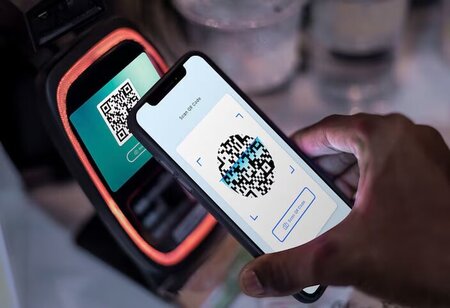
Through Pocket Money, teenagers can independently make UPI payments using their own smartphones for everyday expenses including school and college canteens, metro rides, cab bookings, shopping, and mobile recharges. The system eliminates the need for teenagers to borrow a parent’s phone, request OTP approvals, or rely on QR code sharing for transactions.
Under NPCI’s delegated UPI payment framework, each transaction is capped at Rs 5,000, while the monthly network-wide spending limit is fixed at Rs 15,000. The service is currently supported on both savings and current accounts, although international payments and cash withdrawals remain restricted.
Parents Get Full Spending Control and Visibility
A major differentiator of Pocket Money is the parental control architecture built into the feature. Parents can set monthly spending limits, monitor transactions in real time, and revoke or modify access anytime using their Paytm UPI PIN.
Paytm has also integrated the feature with its Spend Summary tool, which automatically categorises expenses to help families monitor spending behaviour and build healthier financial habits for teenagers.
To strengthen security, Paytm has introduced layered protection measures including:
- Rs 500 transaction cap during the first 30 minutes after setup
- Rs 5,000 spending cap during the first 24 hours
- Mandatory device lock activation
- Instant parental transaction alerts and control override access
These controls are designed to minimise misuse while introducing teenagers to responsible digital spending.
Built on NPCI’s UPI Circle Framework
Unlike earlier fintech teen-payment products that relied heavily on prepaid cards and wallet infrastructure, Paytm’s Pocket Money is directly powered by NPCI’s UPI Circle framework, which allows delegated payment access without requiring secondary users to maintain independent bank accounts.
Industry observers see this as a strategic advantage, particularly after RBI restrictions impacted several co-branded prepaid payment instrument (PPI)-based fintech models that lacked standalone licensing frameworks.
The move also reflects broader industry momentum toward democratising digital payments while ensuring regulatory compliance and enhanced user safety.
Also Read: RBI Cancels Paytm Payments Bank License, Orders Wind-Up
A Push Toward Financial Inclusion for Teenagers
With smartphone penetration among Indian teenagers rising sharply, supervised digital payment tools are increasingly being seen as gateways to financial literacy and early money management skills.
By combining parental oversight with real-world payment flexibility, Paytm is attempting to create a bridge between traditional pocket money systems and India’s fast-growing digital-first economy.
The feature is now available on the latest Paytm app version across both Android and iOS, and is expected to drive wider adoption of delegated UPI transactions among Indian families as digital financial inclusion expands beyond adult users.