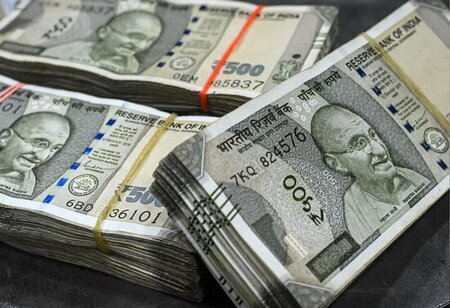
The RBI introduces fresh measures to stabilize the Indian rupee, barring banks from offering rupee non-deliverable forward (NDF) contracts to corporate clients amid continued currency depreciation against the US dollar.
Key Highlights
- RBI bars NDF contracts to curb speculation and stabilise rupee amid rising global risks.
- Rupee depreciation and arbitrage trading prompt RBI intervention to strengthen currency and market stability.
The latest step by the RBI to introduce fresh measure comes as the rupee faces pressure due to global uncertainties, particularly the ongoing West Asia conflict, which has heightened inflation and growth risks for India, a major energy importer. The move is aimed at curbing speculative activity and reducing volatility in the currency market.
In an official statement, the central bank said, “Authorised dealers shall not offer non-deliverable derivative contracts involving INR to resident or non-resident users.” This restriction is expected to limit speculative trading and help support the rupee by increasing dollar supply in the market.
A non-deliverable forward (NDF) is a financial derivative used to hedge or speculate on currency movements, typically settled in cash rather than through actual currency exchange. By restricting such contracts, the RBI aims to curb arbitrage opportunities arising from differences between onshore and offshore markets.
Market experts note that the move could force banks to sell dollars, thereby strengthening the rupee. It is also expected to reduce arbitrage trading, where corporates previously benefited from price differentials between spot and forward markets.
However, the RBI has clarified that authorised dealers can continue offering deliverable foreign exchange derivative contracts for genuine hedging needs, provided users do not take offsetting positions in non-deliverable markets. Additionally, banks have been barred from rebooking cancelled forex derivative contracts involving the rupee.
Also Read: Indian Rupee Becomes the Weakest-Performing Currency in Asia
The measures follow recent directives by the RBI to cap banks’ net open rupee positions in the onshore market at $100 million, a step intended to boost dollar liquidity. However, the impact was limited as arbitrage opportunities persisted, prompting stricter intervention.
The rupee has been under sustained pressure, depreciating around 4% in March and nearly 10% in FY26, marking its steepest annual decline in over a decade. It recently slipped below the 95 mark against the US dollar, triggering further regulatory action.
Overall, RBI's fresh measures signal a proactive approach to stabilizing the rupee, curbing speculative trading, and maintaining financial market stability amid global uncertainties.