
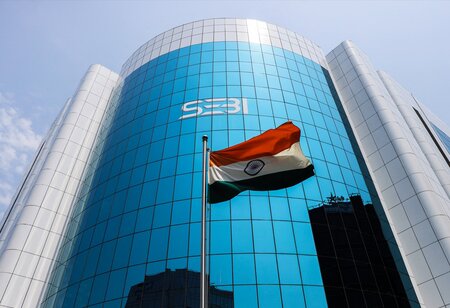
The Securities and Exchange Board of India (SEBI) has proposed additional regulatory measures to strengthen its earlier proposal to reintroduce open market buybacks through stock exchanges, aiming to improve transparency, efficiency, and shareholder protection.
The latest proposals follow internal deliberations and recommendations from the Primary Market Advisory Committee (PMAC) after SEBI first floated the proposal in April 2026.
Key Highlights
- SEBI proposed a 66-day open market buyback timeline to improve speed and execution efficiency.
- New safeguards include promoter share freeze and stronger compliance with public shareholding norms.
SEBI Proposes 66-Day Timeline for Open Market Buybacks
Under the revised framework, SEBI has proposed allowing listed companies to complete open market buybacks through stock exchanges within a maximum period of 66 working days from the offer opening date.
The regulator has also proposed retaining the condition that companies must utilize at least 40% of the total buyback size during the first half of the offer period, ensuring meaningful execution and preventing delays.
While the PMAC had recommended a six-month completion period and 50% utilization threshold, SEBI said recent changes under the Finance Act, 2026, particularly regarding the permissible gap between two buyback offers, require a more balanced and market-relevant approach.
The regulator noted that a prolonged six-month buyback window may reduce relevance amid fast-changing market conditions and make it difficult for shareholders to effectively track buyback activity.
SEBI Proposes Freezing Promoter Shares During Buyback Period
As part of additional investor protection measures, SEBI has proposed freezing shares and other specified securities held by promoters and their associates at the ISIN level throughout the buyback period.
Currently, existing regulations prohibit promoters and their associates from dealing in company shares during the buyback window, including inter-promoter transfers. The proposed freeze mechanism would further tighten compliance and eliminate potential misuse.
Also Read: SEBI Open Market Share Buybacks Proposal Gain Traction Post Tax Shift
Normal Trading Window for Buyback Transactions
SEBI has also proposed removing the requirement for companies to use a separate trading window for buyback transactions.
Instead, companies may be allowed to conduct buyback trades through the regular market mechanism, simplifying execution and improving operational efficiency.
Additionally, the regulator has proposed removing the requirement to display the company’s identity as the purchaser on trading screens, which could help streamline market operations.
Safeguards for Minimum Public Shareholding Compliance
A key proposal includes introducing explicit safeguards to ensure that buybacks do not result in any breach of minimum public shareholding (MPS) norms, a critical compliance requirement for listed entities.
This move is aimed at preventing excessive promoter concentration following buyback execution.
Alignment With Companies Act and Reduced Merchant Banker Dependency
SEBI has proposed aligning the mandatory interval between two buyback offers with provisions under the Companies Act, 2013, ensuring regulatory consistency.
The regulator has also suggested making the appointment of a merchant banker optional for open market buybacks.
Under this framework, responsibilities traditionally handled by merchant bankers may be reassigned to the company itself, along with stock exchanges and secretarial auditors, reducing compliance costs for issuers.
Faster Shareholder Communication
To improve shareholder awareness, Securities and Exchange Board of India may require companies to electronically notify shareholders regarding buyback offers within one working day of the public announcement.
Currently, companies are required to make a public announcement within two working days after the results of the postal ballot for the special resolution approving the buyback.t integrity.