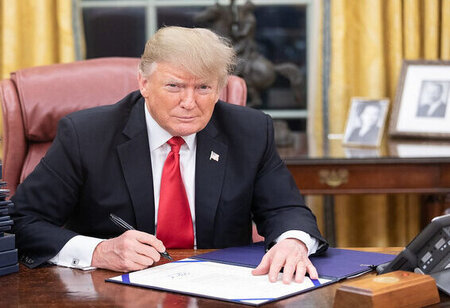
In a major move that could strain India–US trade relations, US President Donald Trump has announced steep tariffs of up to 126% on solar cell and panel imports from India. The decision, aimed at curbing what Washington describes as unfair trade practices and heavy government subsidies, is expected to significantly impact Indian solar manufacturers exporting to the American market.
Key Highlights
- Trump imposes massive 126% tariffs on Indian solar imports, intensifying trade tensions and disrupting renewable supply chains.
- Move expected to hit Indian exporters hard, raising US solar project costs and slowing clean energy adoption.
The tariffs are part of a broader countervailing duty investigation targeting solar product imports from India, Indonesia, and Laos. US authorities allege that manufacturers in these countries benefit from substantial state support, allowing them to undercut domestic producers. The move aligns with Trump’s renewed push to strengthen American manufacturing under his “America First” economic policy framework.
India exported nearly $800 million worth of solar equipment to the US in 2024, making the US one of its largest overseas markets. The new duty structure could sharply reduce the competitiveness of Indian products, potentially affecting revenue, profit margins, and export volumes for leading domestic solar companies.
Industry experts warn that the tariffs may disrupt global solar supply chains and slow the pace of renewable energy adoption in the US by increasing project costs. In India, solar stocks reacted negatively, with several major players witnessing sharp declines following the announcement.
The Indian government is expected to raise concerns through diplomatic and trade channels, emphasizing the importance of maintaining fair and balanced trade ties. Analysts believe the move could complicate ongoing bilateral trade negotiations between the two nations.
Also Read: Clause 8 to Give India Strategic Edge in Proposed US Trade Deal
While the full economic impact will unfold in the coming months, the decision marks a significant escalation in trade protectionism and poses fresh challenges for India’s rapidly growing renewable energy sector.