
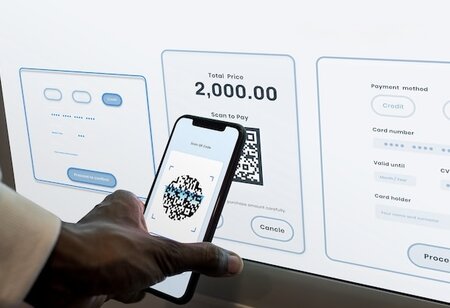
UPI MDR charges may face another delay as the government, Reserve Bank of India (RBI) and National Payments Corporation of India (NPCI) have yet to agree on an implementation date for the proposed merchant discount rate (MDR) framework. Initially scheduled to take effect in October 2026, the proposed changes were put on hold during the festive season amid concerns about the additional costs for merchants and the potential impact on digital payments.
Key Highlights
- UPI MDR charges implementation faces delays as the government, RBI and NPCI remain undecided on the rollout timeline.
- Merchant opposition, festive-season concerns and upcoming 2027 Assembly elections are influencing the proposed UPI charges.
The UPI MDR charges delay also has a connection with the merchant bodies' opposition and the forthcoming Assembly poll in various states in 2027. There is no deadline for the final rollout, and merchants and consumers are waiting to receive clarity over the proposed payment structure, exemptions and rollout timeline.
Why Are the Proposed UPI MDR Charges Facing Another Delay?
Merchant organisations have expressed concerns about the extra costs of supporting digital payments in the proposed MDR framework.
The new fees were to apply from 15th October 2026, but have now been extended. The NPCI UPI/Services Steering Committee, however, has agreed to delay the implementation, to refrain from creating financial strain for the merchants and the customer during the festive season, according to the report.
The lack of consensus among the government, RBI and NPCI over the rollout timeline has further contributed to the delay.
Another factor to take into account is the political calendar. The 2027 Assembly polls are set in Uttar Pradesh, Punjab, Uttarakhand, Goa and Manipur. If there were other payment-related costs to add to these elections, the decision may become more sensitive as business owners face additional costs. This means that implementation may be delayed until after the 2027 Assembly elections.
What Is the Proposed MDR Charge on UPI Transactions?
Merchant Discount Rate (MDR) is a fee that is applied to transactions that are processed to businesses. As per the proposed framework, some high value transactions via person to merchant will be subjected to a processing fee.
The proposed 0.4% MDR of the transaction amount (capped at Rs 300) for P2M transactions of Rs 2,000 and above.
If a customer pays Rs 5,000 through UPI to a merchant, the merchant would get a payment of Rs 20, which is the proposed rate, as a processing fee.
Different fee arrangements have also been suggested for specific sectors:
-
Railways, telecom, insurance and fuel: A flat fee of Rs 5 per transaction for payments exceeding Rs 2,000.
-
Mutual funds, stock markets and stockbrokers: A proposed MDR of 0.02%, capped at Rs 300.
-
Smaller merchants: Businesses with monthly transaction volumes of Rs 1 lakh or less would be exempt from MDR on UPI QR payments, according to the reported proposal.
-
Transactions up to Rs 2,000: These would remain outside the proposed charge structure.
The proposed exemptions are intended to limit the additional payment-processing burden on smaller businesses and low-value transactions.
Will UPI MDR Charges Affect Customers or Only Merchants?
The proposed MDR framework is geared towards the merchant side as the key charge. Qualifying businesses, not individual consumers, would be liable to pay the processing fee.
The proposal does not include person-to-person (P2P) payments like money transfer to friends or families, sharing restaurant bills or money transfer between personal bank accounts.
Similarly, transactions of up to Rs 2,000 would continue without the proposed MDR charge.
But the added expense might impact companies that receive digital payments. Some businesses may try to recoup more payment fees from the consumer by raising product prices, but the government has argued that the payment fees should not be passed on to consumers.
How Will NPCI's UPI Vyapar Saksham Scheme Support Small Merchants?
In addition to the proposed MDR framework, NPCI has launched the UPI Vyapar Saksham Scheme to boost digital payment infrastructure in the smaller businesses.
The goal of the initiative is to enhance the availability of UPI QR codes and soundboxes for small merchants and link funding with MDR. The soundboxes alert the shopkeeper when a payment is made, eliminating the need for him or her to keep checking the phone for payment.
The plan is to run the scheme for three years from MDR implementation. It's supposed to make it easier for smaller businesses to accept digital payments.
Also Read: GST on UPI MDR: NPCI Guidelines & Small Merchant Exemptions Explained
When Will the New UPI MDR Rules Be Implemented?
A definite implementation date for the proposed UPI MDR framework has yet to be announced. The earlier timelines of October 2026 was pushed back and the government, RBI and NPCI haven't reached any agreement on the new rollout timelines.
The next steps will be determined by the ability of the three institutions to agree on the timeline for implementation and to resolve any concerns from merchant organisations.
Existing UPI payment arrangement shall continue for the time being till an ultimate notification. The merchants and consumers will keep waiting for clarity on the proposed charges, exemptions and rollout date.