
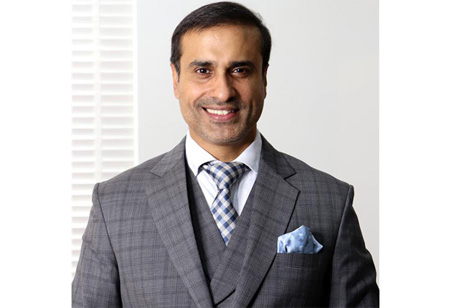
In an exclusive interaction with Adlin Pertishya Jebaraj, Correspondent of Finance Outlook India, Sarvjeet Virk, Co-Founder & MD, Finvasia, shares how the nation readies itself for the year 2026. He indicates that consistent repayment behaviour, a debt management mentality, and the development of AI-based digital lending technologies are integral in building long-term financial stability for new borrowers in Tier Two and Tier Three Cities.
More than 25 years of expertise working within various industries related to financial services, technology and digital innovation, Sarvjeet has been instrumental in creating the Finvasia Group into an internationally recognized fintech platform that emphasizes financial inclusion, transparency and technology based investment. His experience includes Capital Markets, Credit Ecosystems, Data Analytics and Digital Product Strategy.
How do you assess the current credit cycle in India as we approach 2026, and what early warning signals should borrowers and lenders be watching closely?
India has seen strong and broad-based credit growth in recent years, with retail lending expanding rapidly across personal loans and credit cards. Asset quality remains healthy, reflecting the depth and reach of the credit system. As borrowing becomes easier and more widespread, attention is now shifting toward ensuring that this growth remains sustainable.
The rise of first-time borrowers from Tier 2 and Tier 3 cities has been a key driver of this expansion. Wider digital access has brought many new users into the system. This creates an opportunity to build healthy credit behaviour early, while reinforcing the need for prudent borrowing and disciplined underwriting as credit usage scales.
How critical is credit utilization management in strengthening long-term financial resilience amid tightening lending norms?
How you use credit matters as much as whether you repay on time. As lending norms tighten and credit scoring becomes more data-led, high credit usage is often seen as a warning sign, even with a good repayment record. Keeping usage low helps protect future borrowing ability and better interest rates.
This is especially important for people with limited credit history, many of whom are first-time borrowers in non-metro regions. When the credit record is still small, even minor overuse can have a larger impact. Steady repayments and careful usage early on help build a strong and dependable credit profile.
How should borrowers prioritize between prepaying high-interest debt and preserving liquidity in an uncertain macroeconomic environment?
In volatile economic conditions, the trade-off between prepaying debt and preserving liquidity becomes critical. Prioritizing repayment on high-interest loans above 15% is a good strategy, but not without ensuring that you retain 6–9 months of expenses in liquid savings. This balance matters because emergency borrowing during stress periods can cost 18–30%, often far exceeding the savings from early repayment.
Also Read: Why Credit Lines are Becoming More Relevant in 2025
What are the most common financial mistakes individuals make while attempting to improve their credit, and how do these missteps affect long-term borrowing capacity?
Common credit mistakes include closing long-standing credit lines, applying for multiple loans in a short period, or refinancing aggressively without understanding the long-term impact. Closing old accounts can shorten credit history and raise overall credit utilization, hurting scores even when balances are cleared. Multiple applications within a short span also lead to hard inquiries, which signal higher risk to lenders.
Many borrowers, especially those new to credit, chase quick fixes. Some fall for credit repair schemes or dispute accurate entries, which often delays genuine corrections and creates confusion in credit files. What feels like a short-term win can weaken long-term borrowing ability, leading to lower scores, tighter credit limits, and higher interest costs.
In contrast, strong credit profiles are built over time through consistent repayments, controlled utilisation, and spacing out credit applications. Patience and discipline remain the most reliable way to earn lender trust and access better borrowing terms.
How do you see evolving credit regulations and digital lending frameworks reshaping credit discipline and optimisation strategies beyond 2026?
Stronger regulations and maturing digital lending frameworks will make the credit ecosystem more transparent and accountable. Better data sharing, clearer disclosures, and real-time reporting will encourage responsible borrowing and reduce misuse.
In parallel, the growing use of AI and advanced analytics in digital lending apps will play a critical role in improving user profiling and credit discipline. AI-driven models can analyze transaction behavior, repayment patterns, income volatility, and spending signals to build more accurate borrower profiles. This allows lenders to identify early warning signs of stress, such as rising utilization, delayed payments, or irregular cash flows, well before an actual default occurs, helping both companies and borrowers take corrective action early.
For Tier 2 and Tier 3 markets, this shift will be particularly impactful. As more first-time borrowers enter the system, structured digital frameworks supported by AI-led monitoring will help build healthier credit habits early. Beyond 2026, credit optimization will focus less on volume and more on consistency, early intervention, and long-term behavior.