The global steel industry is currently grappling with significant headwinds, marked by sluggish demand, weak consumption patterns, trade barriers, and supply imbalances. These challenges are acutely affecting India as is evident from lower than expected sales realisations, weak capacity utilisation and stretched working capital intensity for a majority of the domestic steel makers.
Key Challenges
Sluggish Demand and Weak Consumption: Global demand for steel has been subdued, with consumption in key markets such as real estate, construction and automotive slowing down. China, in particular, is witnessing an unprecedented slowdown in the steel-intensive property sector resulting in a continuous slide in steel consumption. In India, high input costs and slower than expected pick up in infrastructure investment post the conclusion of general elections have further compounded the issue, stalling domestic consumption growth.
Trade Barriers from Europe: European Union nations have implemented stricter trade measures, including carbon border taxes and anti-dumping duties, limiting India's ability to export steel to these markets. While some of these safeguard measures are under review, given significant changes in the market dynamics and requests from at least 13 EU member states, these measures exacerbate an already competitive international trade environment.
Supply Glut in China: China, the largest steel producer, continues to flood the market with surplus steel so much so that Chinese steel exports in 2024 hit the highest levels since 2015 amidst decline in domestic consumption. This oversupply is driving down global prices, making it difficult for Indian steel producers to compete effectively in export markets.
To navigate these challenges, India must adopt a multi-pronged approach, which is to:
Boost Domestic Demand and Infrastructure Investment: Accelerate government-backed infrastructure projects to create a strong demand for domestic steel in construction and public works.
Incentivise Key Sectors and Impose duties where necessary: Provide incentives to industries such as automotive, real estate, and renewable energy to stimulate consumption which in turn shall revive domestic demand. At the same time, to mitigate risks of cheap imports the government shall intensify monitoring and explore options to impose anti-dumping duties, safeguarding domestic steel makers interests.
Diversify Export Markets and focus on value added speciality steel: Explore non-traditional markets in Africa, Southeast Asia, and the Middle East to reduce dependence on Europe. Further, encourage Indian manufacturers to produce high-grade, value-added steel products that meet global standards and do a thorough review of the existing production linked investments scheme, which saw a sluggish off-take.
India must adopt a multi-pronged approach, including boosting domestic demand through infrastructure investment, incentivizing key industries, and imposing protective trade duties where necessary.
Focus on Green Steel: Promote the production of environmentally friendly steel to align with global sustainability trends and gain a competitive edge. Moreover, under the Green Steel Mission attract private investments by offering attractive fiscal incentives on usage of green technologies during steel making and make green funds accessible through strategic partnerships with multilateral agencies.
Domestic Consolidation and Raw Material Security: Encourage consolidation within the domestic steel sector to enhance efficiency and reduce oversupply risks. Focus on increasing domestic mining operations by increasing production of iron-ore by NMDC, promote usage of scrap metal, prioritise coking coal allocations for the steel sector and closely monitor domestic raw material availability.
Summary
So to conclude, the global steel sector is navigating through a complex environment with significant headwinds characterized by weak demand, rising trade barriers, and supply imbalances. A slowdown in key industries such as construction, real estate, and automotive, along with sluggish infrastructure investment, has hindered domestic consumption. Additionally, restrictive trade measures from the European Union and an oversupply of steel from China have intensified competition, affecting Indian steel exports and pricing. These challenges are acutely affecting India as is evident from lower than expected sales realisations, weak capacity utilisation and stretched working capital intensity for a majority of the domestic steel makers during the current year.
To address these challenges, India must adopt a multi-pronged approach, including boosting domestic demand through infrastructure investment, incentivizing key industries, and imposing protective trade duties where necessary. Expanding into new export markets, focusing on value-added specialty steel, and promoting green steel initiatives are other crucial steps. Strengthening raw material security and encouraging sectoral consolidation will further bolster the industry's resilience. By implementing these strategic measures, India can position itself as a strong and competitive player in the global steel industry.
About the Author
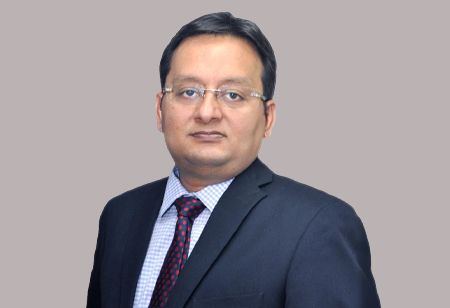
Nishant Lakkar is the Founder and CEO of AAA Rating Consultants and Advisors (AAARCA), specializing in credit rating advisory services and financial consultancy for public and corporate sector entities. With an MBA in Finance and over 15 years of experience in the credit rating industry, he possesses a profound understanding of market dynamics and rating criteria across various sectors and regions. Nishant utilizes his expertise in financial risk management, corporate finance, credit ratings and sectoral research to deliver customized solutions for his clients. As of December 31, 2024, he has advised on bank loan credit ratings exceeding Rs. 4,500 crores, developed balance sheet improvement plans for five corporations, and facilitated three entities in securing long-term solar power purchase agreements totaling over 50 MW.