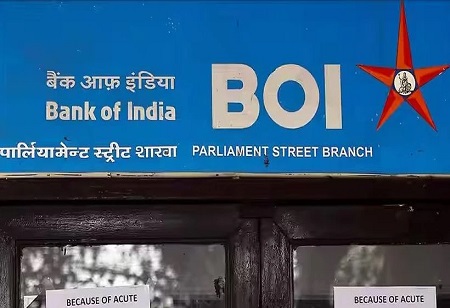
State-owned Bank of India (BoI) has raised ₹2,500 crore through the issuance of Basel III-compliant Tier-II bonds, priced at a 7.28 per cent cut-off. The bonds carry a maturity of 10 years and include a call option after five years, providing the bank with the option to redeem the securities midway subject to regulatory approval.
The bond sale received broad demand across institutional categories, supported by improved market liquidity and fewer competing issuances in the public sector segment. The withdrawal of major bond plans by Power Finance Corporation (PFC) and SIDBI, which had together planned to raise ₹11,500 crore, contributed to the shift in investor focus toward BoI’s offering. Pension funds were among the prominent subscribers, taking a significant share of the allocation.
Key Highlights
- Bank of India raises ₹2,500 crore via Tier-II bonds at a 7.28% cut-off to strengthen capital
- Strong institutional demand, aided by PFC and SIDBI withdrawal, boosts BoI’s bond subscription
The bank had launched the issuance with a base size of ₹1,000 crore and a greenshoe option of ₹1,500 crore, enabling it to raise the full ₹2,500 crore after receiving bids exceeding the base amount. The proceeds will enhance BoI’s Tier-II capital, supporting its regulatory capital ratios as required under the RBI Basel III framework. The funds will be deployed for standard banking operations and capital augmentation rather than project-specific use.
Tier-II bonds form part of a bank’s loss-absorbing capital structure and are designed to strengthen balance-sheet resilience during stress scenarios. These instruments remain an active funding route for banks seeking to optimise capital buffers and meet credit growth requirements. During the year, institutions such as State Bank of India (SBI) and ICICI Bank have also accessed the Tier-II market, reflecting sustained interest in long-dated capital securities.
Also Read: BYT Capital Launches Rs180 Cr Fund to Boost India's Deep-Tech Startups
BoI continues to participate in the domestic debt market in line with its capital-planning strategy, with current bond market conditions supporting competitive pricing for long-tenor issuances.