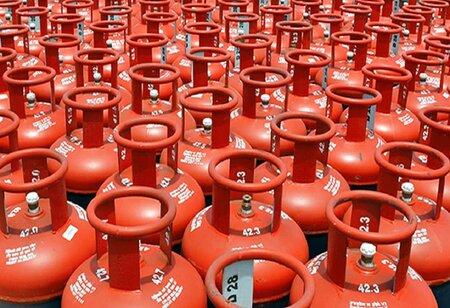
Commercial establishments across India are set to face higher operating costs after state-run oil marketing companies (OMCs) announced another increase in commercial liquefied petroleum gas (LPG) cylinder prices effective June 1, 2026. The latest revision has pushed the cost of 19-kg commercial LPG cylinders to record levels across major metropolitan cities, intensifying pressure on restaurants, hotels, catering services, roadside eateries, and small businesses already grappling with elevated fuel and transportation expenses.
Key Highlights
- Commercial LPG prices surged across metros, increasing operational costs for restaurants and businesses.
- Domestic LPG prices remain unchanged, offering temporary relief to household consumers nationwide.
The latest increase comes just a month after a steep hike in commercial LPG prices and reflects the continued impact of global energy market volatility and supply concerns linked to geopolitical tensions in West Asia. Commercial LPG rates have now witnessed multiple consecutive increases in 2026, making fuel costs one of the biggest challenges for business operators.
Metro Cities Witness Fresh Price Increase
According to the revised rates announced by oil marketing companies, the price of a 19-kg commercial LPG cylinder in New Delhi has been increased to Rs 3,113.50 per cylinder. In Mumbai, the revised rate now stands at Rs 3,024.50, while Kolkata recorded one of the highest prices at Rs 3,255.50 per cylinder. In Chennai, commercial LPG will now cost Rs 3,232.00, while businesses in Bengaluru will pay Rs 3,152.00 per cylinder. Hyderabad reported the highest rate among the major metros at Rs 3,294.00 per 19-kg cylinder. The latest revision has further increased operational costs for restaurants, hotels, caterers, and small businesses that rely heavily on commercial LPG for daily operations.
|
City |
New Price of 19-kg Commercial LPG Cylinder (June 2026) |
|---|---|
|
New Delhi |
Rs 3,113.50 |
|
Mumbai |
Rs 3,024.50 |
|
Kolkata |
Rs 3,255.50 |
|
Chennai |
Rs 3,232.00 |
|
Bengaluru |
Rs 3,152.00 |
|
Hyderabad |
Rs 3,294.00 |
Hospitality and Small Businesses Under Pressure
The continued increase in commercial LPG prices is expected to significantly impact the hospitality and food services sector. Restaurants, hotels, cafes, catering businesses, highway dhabas, and street food vendors rely heavily on commercial LPG for daily operations.
In addition to the increase in 19-kg cylinders, the price of 5-kg Free Trade LPG (FTL) cylinders, commonly used by small vendors and micro businesses, has been raised by Rs 11.
Industry observers believe the sustained rise in fuel costs could eventually lead to higher menu prices and increased costs for consumers, particularly in the food and hospitality segment.
Six Consecutive Months of Commercial LPG Hikes
Commercial LPG prices have recorded a sharp upward trajectory throughout 2026. Beginning with increases in January, rates have been revised higher almost every month, culminating in record-high pricing levels by June. Market experts attribute the surge largely to higher international LPG prices, elevated crude oil costs, and supply chain disruptions caused by geopolitical tensions in the Middle East.
The commercial LPG segment has witnessed one of the steepest cost escalations among fuel categories this year, creating significant challenges for businesses that depend on bulk fuel consumption.
Also Read: Commercial LPG Cylinder Price Jumps Nearly Rs 1,000 from May 1
Domestic LPG Prices Remain Unchanged
While commercial users face another round of price increases, household consumers have received some relief. Oil marketing companies have kept the prices of 14.2-kg domestic LPG cylinders unchanged during the latest monthly review. Domestic cooking gas rates continue to remain stable across major cities despite ongoing fluctuations in global energy markets.
The decision helps shield household budgets from rising fuel inflation, even as commercial users continue to absorb the impact of higher energy costs.
With commercial LPG prices reaching unprecedented levels, businesses across sectors are closely monitoring future fuel revisions, while industry associations warn that sustained increases could further squeeze profit margins and contribute to inflationary pressures across the broader economy.