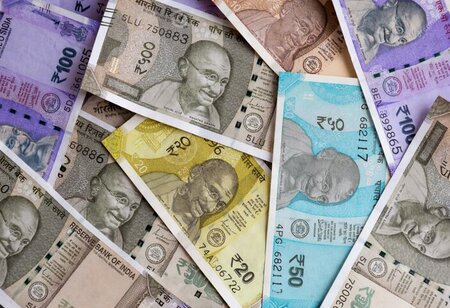
Currency in circulation in India has increased by 11% year-on-year, reaching ₹40 lakh crore, even as digital payment platforms such as UPI continue to expand rapidly. The rise indicates that while digital transactions are growing, cash remains a significant part of everyday economic activity.
Key Highlights
- Currency in circulation grows 11% annually, reaching ₹40 lakh crore despite rapid expansion of UPI transactions.
- Cash usage share declines, but absolute demand remains strong due to economic growth and informal sector reliance.
Data from the Reserve Bank of India (RBI) shows that although the proportion of cash usage has declined in comparison to the overall economy, the absolute value of currency in circulation continues to climb. This reflects increasing economic activity, population growth, and rising consumer spending.
Experts suggest that despite the widespread adoption of UPI and other digital payment methods, cash is still preferred for small-value transactions, rural commerce, and informal sector activities. Additionally, seasonal demand, festivals, and precautionary savings contribute to higher cash holdings.
Also Read: UPI 2026 Revamp: New KYC, Transaction Checks & Faster Refunds
The trend highlights India’s dual-payment ecosystem, where rapid digitalisation coexists with sustained reliance on physical currency, underscoring the need for balanced monetary and payment system policies.