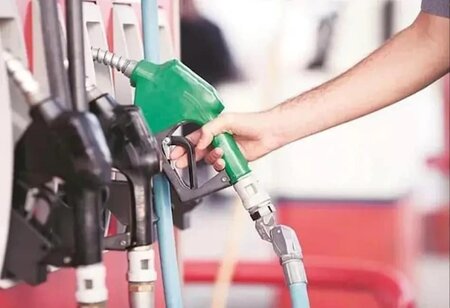
India’s fuel prices climbed further on Tuesday, with petrol and diesel rates increased for the second time within a week, adding fresh pressure on household budgets and transport-intensive businesses as global crude prices remain elevated due to prolonged geopolitical tensions in West Asia. State owned oil marketing companies increased the price of petrol by up to 96 paise per litre and of diesel by as much as 94 paise in the major metro cities, after a sudden increase in prices by Rs 3 per litre, just a few days ago.
Key Highlights
- India raises petrol and diesel prices again as crude oil volatility intensifies inflationary pressures nationwide.
- Metro cities witness fresh fuel hikes amid supply concerns and prolonged geopolitical tensions across West Asia.
Petrol is now priced at Rs 98.64 per litre in the national capital, an increase of 87 paise, while diesel has jumped 91 paise to Rs 91.58 per litre. Petrol was at Rs 107.59 per litre and diesel at Rs 94.08 per litre in Mumbai. Petrol prices at Kolkata touched Rs 109.70 per litre which was the highest increase among metros followed by Rs 109.69 per litre in Mumbai, whereas diesel price reached at Rs 96.07 per litre in the city. This was the case with petrol at Rs 104.49 and diesel at Rs 96.11 in Chennai.
The latest revision follows Indian fuel retailers' efforts to cope with the growing under-recovery due to crude prices in the world remaining above $100 per barrel. The surge comes amid a series of disruptions to global energy supply routes connected to West Asia instability and continued fears regarding the Strait of Hormuz, which is a major world oil supply route and through which almost one-fifth of the world's crude oil travels.
India is the third largest crude oil importer and imports more than 80 percent of its crude requirements from the international market, leading to high price sensitivity of domestic fuel prices to external shocks. The retailers have had retail prices of oil and its products largely unchanged since 2022, with analysts suggesting that this is due to oil marketing companies being forced to pass on part of the price increase because of rising crude prices.
Also Read: Petrol and Diesel Prices Hiked Across Major Cities in Nearly 4 Years
Government officials said fuel availability remains stable despite global disruptions. Sujata Sharma, Joint Secretary at the Ministry of Petroleum and Natural Gas, said the Centre is closely monitoring supply conditions and reassured consumers that inventories remain adequate.
“There is no need for panic among distributors or consumers. Fuel supplies remain normal and our refineries continue to operate smoothly despite the evolving global situation,” Sharma said during an inter-ministerial briefing.
Officials noted that India currently holds sufficient crude and fuel inventories to cushion short-term disruptions, although they acknowledged that continued price pressure could force additional revisions if crude remains elevated for an extended period.
The government has also stepped up conservation messaging, urging consumers to reduce discretionary fuel use and shift where possible to alternatives such as piped natural gas, induction-based cooking systems and electric mobility solutions.
Economists warn that repeated fuel price increases could have broader macroeconomic implications, including higher freight costs, rising food inflation, increased logistics expenses, and weaker consumer spending, complicating the Reserve Bank of India’s inflation management strategy in the coming months.
Union Petroleum and Natural Gas Minister Hardeep Singh Puri, speaking earlier at the CII Annual Business Summit 2026, said India had successfully maintained uninterrupted fuel supplies despite severe global volatility.
“At a time of global supply shocks and rising crude prices, India ensured seamless availability of petrol, diesel and LPG across the country, with no reports of shortages,” Puri said.
Market experts now remain focused on developments in West Asia, with any diplomatic breakthrough likely to offer temporary relief to crude prices, while further escalation could trigger another round of domestic fuel hikes and intensify inflationary pressures across the broader economy.