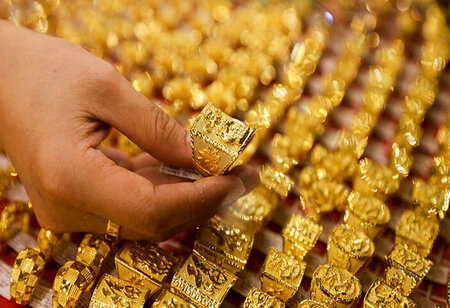
Gold was under pressure on Friday as a stronger dollar and Warsh hawkish comments by the U.S. Federal Reserve weighed on demand for precious metal assets that do not offer a yield. Spot gold fell to about $4,122 an ounce, and US gold futures also tumbled, adding to the likelihood interest rates may remain high for longer.
Key Highlights
- Gold prices recorded a third weekly decline as stronger dollar and Fed outlook weighed.
- Lower global bullion prices may support jewellery demand and retail buying in India.
The most recent decline follows the U.S. Federal Reserve's decision to keep interest rates at 3.50%-3.75% while at the same time indicating that inflation risks are still a concern for policymakers. Traders have upped their wagers on tighter policy as nine of the 19 policymakers in the Fed's projections call for more rate hikes later this year. However, after the latest guidance, the market has significantly increased its expectations for a December rate increase.
A more powerful dollar further drove down bullion. The US dollar reached a one year high, driving the price of gold higher for people holding other currencies and lowering demand from abroad. The higher the expected interest rate, the less gold is likely to be desirable relative to yield-producing investments.
Commenting on the market trend, Tim Waterer, Chief Market Analyst at KCM Trade, said, "Gold's rally on the back of the U.S.-Iran peace deal proved short-lived. The resurgent dollar, powered by the Fed's newly hawkish tone under Kevin Warsh, has stolen the spotlight." He added that monetary policy has once again become the dominant driver of precious metal prices.
The gold price drop also comes as geopolitical fears have subsided following gradual progress in the talks between the United States and Iran for a nuclear deal and the return of shipping traffic through the Strait of Hormuz. Gold's safe-haven appeal has been dampened in recent trading sessions due to diminished worries of supply disruptions and concerns over inflation.
Meanwhile, investment bank Goldman Sachs downgraded its year end gold forecast to $4,900 from $5400 suggesting that the Fed may not cut rates in 2026.
What Does the Decline Mean for India?
The recent correction in global gold prices could offer some relief to Indian consumers, particularly ahead of the upcoming festive and wedding season. As one of the world's largest gold consumers, India remains highly sensitive to movements in international bullion prices and currency fluctuations.
Despite gold falling to multi-week lows globally, physical demand in India has remained relatively subdued due to continued price volatility. Market participants noted that discounts in the domestic market widened this week, although some jewelers have started rebuilding inventories in anticipation of future demand.
Also Read: Gold ETFs Record First Monthly Outflow in Over a Year in May: AMFI
The decline in gold prices has already begun reflecting in the domestic market, with gold slipping below Rs 1.5 lakh per 10 grams and silver witnessing a sharp correction. Analysts believe lower bullion prices could gradually revive jewellery purchases and retail investment demand if prices stabilize over the coming weeks.