
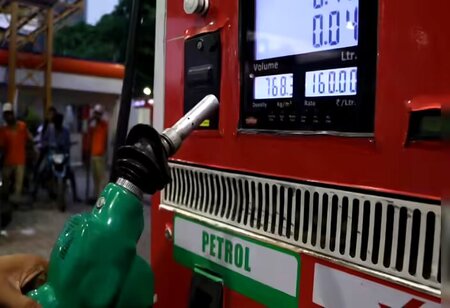
On March 20, 2026, state-run oil marketing companies in India announced a hike of around ₹2 to ₹2.35 per litre in premium petrol prices, marking the first such increase in nearly four years. The revision applies only to high-octane fuels such as XP95, Speed, and Power petrol, while regular petrol and diesel prices remain unchanged for retail consumers.
Key Highlights
- India raises premium petrol prices by ₹2–₹2.35 per litre after nearly four years of stability.
- Global crude above $100 and Strait of Hormuz tensions drive fuel cost concerns and inflation risks.
The price hike has been largely attributed to rising global crude oil prices, which have crossed the $100 per barrel mark amid escalating geopolitical tensions in the Middle East, particularly around key oil supply routes like the Strait of Hormuz. These disruptions have increased input costs for oil companies, prompting them to revise premium fuel rates while continuing to shield mass consumers from immediate price shocks.
Despite the increase, the government has reassured that fuel supply remains stable and refineries are operating at full capacity, with measures in place to prevent hoarding or unfair pricing practices. Officials have indicated that oil companies are absorbing part of the global price pressure to avoid raising regular petrol and diesel prices, which affect a larger section of the population.
Also Read: Petrol & Diesel City-Wise Prices as Crude Oil Crosses $100
However, the development signals potential economic implications. Higher fuel costs—especially for premium petrol and bulk diesel, which has reportedly seen a sharp rise—could lead to increased transportation and logistics expenses, thereby adding to inflationary pressures. Experts warn that if global oil prices continue to rise or geopolitical tensions persist, retail fuel prices in India may also increase in the near future, impacting both consumers and the broader economy.