
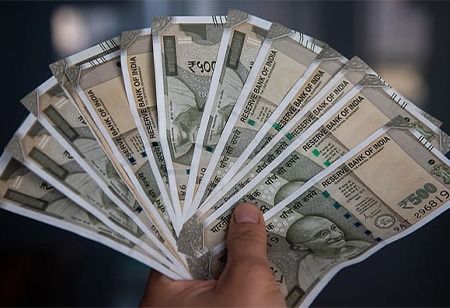
India’s digital payments ecosystem continues to expand rapidly, but the country’s growing dependence on physical currency is creating a striking contradiction. Despite the widespread use of UPI and QR-based payments, cash in circulation grew 12.5% year-on-year as of July 31, 2026, according to the Reserve Bank of India’s latest Bulletin.
Key Highlights
- Cash in circulation rose 12.5% in July 2026 despite rapid UPI adoption across India’s payment ecosystem.
- RBI’s cash paradox highlights continued physical currency demand alongside accelerating digital payment adoption across India.
The pace of India's cash growth accelerated marginally from 12.4% recorded at the end of June. Reserve money, adjusted for changes in the cash reserve ratio, increased 12.6%, while broader money supply grew 14.7%. The figures highlight that India’s transition towards digital payments has not translated into a corresponding decline in the overall stock of physical currency.
UPI Growth Fails to Eliminate Demand for Cash
India has witnessed a dramatic shift in payment behaviour over the past decade, with UPI becoming a preferred mode for everything from small retail purchases and food orders to rent payments and bank transfers. In 2025-26 alone, UPI processed more than 24,000 crore transactions worth nearly Rs 314 lakh crore, according to figures cited by RBI Deputy Governor Shirish Chandra Murmu.
However, the growing share of digital transactions does not necessarily mean that the absolute requirement for cash is falling. As India's economy expands, consumption, incomes and the nominal value of transactions also increase. This means cash can account for a smaller proportion of payments while the total amount of currency circulating in the economy continues to rise.
The RBI has referred to this phenomenon as the “cash paradox” - a situation where cash's share in individual transactions declines even as currency in circulation continues to grow at double-digit rates.
The trend is also uneven across the country. Cash remains particularly relevant in rural and semi-urban areas, among lower-income consumers, older populations and small businesses. Differences in digital access, connectivity and familiarity with technology continue to influence payment preferences.
Also Read: Equity MF Cash Holdings Fall to 19-Month Low of Rs 1.84 Lakh Cr
RBI Faces Challenge in Forecasting Cash Demand
The continued demand for physical currency has significant implications for the RBI's currency-management operations. India currently has around 17,600 crore banknotes in circulation. The country's currency system produces approximately 2,800-3,000 crore notes annually across six denominations, while about 2,100 crore notes are removed and disposed of each year because they become unfit for circulation.
The central bank therefore cannot determine the future of currency in circulation based solely on UPI adoption. Its five-year currency-demand projections consider factors such as economic growth, interest rates, food inflation and digital-payment adoption, along with replacement requirements for worn-out notes.
A rapidly growing economy can increase demand for physical currency even as digital payments expand. Inflation can also raise the amount of cash needed for everyday purchases.
For now, India appears to be developing a dual payments economy, where digital transactions dominate an increasing number of use cases while cash continues to remain important across significant sections of society. The rise of UPI may be changing how Indians pay, but the latest RBI data suggests that it has not yet reduced the country's overall appetite for physical currency.