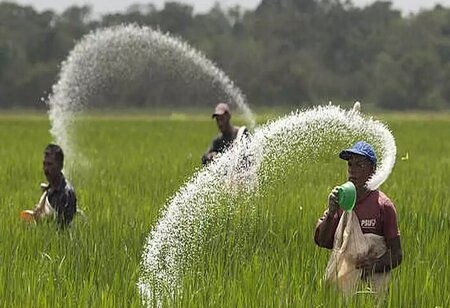
India may significantly increase its fertiliser subsidy burden this fiscal year as soaring global fertiliser prices and supply disruptions linked to the ongoing West Asia crisis put pressure on government finances. According to reports, the Ministry of Chemicals and Fertilizers has approached the Ministry of Finance seeking a substantial enhancement in the fertiliser subsidy allocation for FY27.
Key Highlights
- Fertilizers Ministry seeks doubling of FY27 subsidy allocation amid rising global fertiliser prices.
- Urea subsidy per bag jumps significantly as government shields farmers from higher costs.
The Union Budget for FY27 had earmarked 1.77 lakh crore for fertiliser subsidies. However, with international fertiliser prices rising sharply and supply conditions tightening across key markets, the ministry has reportedly requested a 100% increase in the allocation to ensure affordable fertiliser availability for farmers.
According to reports, the request comes at a time when global fertiliser markets are witnessing heightened volatility due to geopolitical tensions, constrained supplies, and rising demand. The surge in international prices has significantly increased the subsidy burden borne by the government, particularly on urea.
According to government estimates, the subsidy component on a single bag of urea has increased from nearly Rs 2,900 to around Rs 4,500, creating additional fiscal pressure. Despite the sharp increase in costs, the government remains committed to shielding farmers from higher prices.
There is no intention to pass on the additional burden to farmers. Maintaining affordable fertiliser prices remains a priority, even as global markets continue to experience uncertainty.
India imports nearly one-fourth of its total fertiliser requirement, making the country vulnerable to fluctuations in international prices and supply disruptions. Although domestic fertiliser production increased to 52.5 million tonnes in 2025 from 50.95 million tonnes in the previous year, authorities believe higher local output alone may not be sufficient to offset the impact of rising import costs.
The government is also closely monitoring developments in global fertiliser supply chains. Procurement has become increasingly challenging as several international suppliers have reduced market participation. While China has resumed fertiliser exports after a prolonged absence from global markets, supply-side concerns continue to persist.
Also Read: Ujjwala LPG Subsidy: Rs 300 Benefit Now on First 4 Refills
Despite the growing subsidy requirement, officials indicated that there is currently no proposal to seek additional funding through a supplementary demand for grants during Parliament's upcoming Monsoon Session.
Apart from fertiliser costs, policymakers are also tracking weather-related risks, including the potential impact of El Niño conditions on monsoon performance, agricultural output, and rural demand. A detailed assessment is expected after July as the government evaluates both domestic and global factors affecting the agriculture sector.