The Reserve Bank of India (RBI) has announced new measures to simplify financial data access. The Account Aggregator framework will also become more interoperable. The move is aimed at making financial tracking easier.
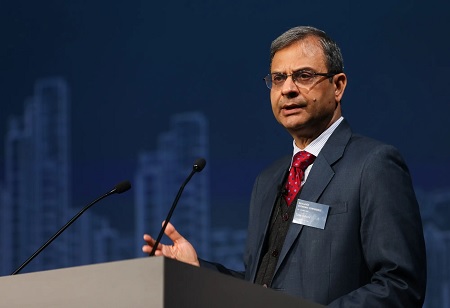
RBI Governor Sanjay Malhotra announced the measures on Wednesday. The central bank will allow interoperability among non-banking financial company Account Aggregators (NBFC-AAs). It will also enable bank deposit details to be included in consolidated account statements.
Both measures are expected to be implemented by December 31, 2026.
Key Highlights
- RBI will enable interoperability among NBFC Account Aggregators.
- Bank deposit details can be included in Consolidated Account Statements.
- A new Technical Consultative Committee will engage with financial market participants.
RBI to Enable Account Aggregator Interoperability
Under the new framework, customers will be able to access and share financial information through any NBFC-AA of their choice. Currently, customers may need to use multiple platforms to aggregate information from different financial information providers. The new system aims to simplify this process.
Customers will be able to aggregate their financial information through a single Account Aggregator after onboarding with one platform.
“We are now allowing the interoperability amongst these NBFC account aggregators, which will enable aggregation of financial information for the various users through all account aggregators by onboarding on only one account aggregator,” Malhotra said.
Also Read: For India's Deepening Capital Pool, Discipline Must Keep Pace
The change is expected to make financial data sharing more convenient. It could also reduce the need for customers to manage multiple platforms when accessing their financial information. The RBI said the interoperability measure is expected to be implemented by December 31, 2026.
Bank Deposits to Be Added to Consolidated Account Statements
The RBI will also facilitate Securities and Exchange Board of India (Sebi)-regulated depositories to include bank deposit information in Consolidated Account Statements (CAS) through NBFC-AAs. This means demat account holders could view their investment holdings and bank deposit accounts in one place. The information will be available through their CAS.
The RBI said the move would enable demat account holders to view information related to their demat holdings and bank deposit accounts together. The initiative will not be limited to investors with demat accounts. Customers without demat accounts will also be able to obtain a consolidated view of their financial information and share it through NBFC-AAs.
Together, these changes are expected to make financial information more accessible. They could also make it easier for customers to manage and share information across financial services.
The RBI has also decided to constitute a Technical Consultative Committee for financial markets. The committee will provide a structured forum for engagement with market participants and stakeholders. It will focus on policy and operational matters related to money markets, government securities and foreign exchange markets. Their respective derivatives markets and infrastructure will also fall within its scope.
The RBI will separately notify the committee’s composition and terms of reference. The announcements came alongside the RBI Monetary Policy Committee’s decision to unanimously raise the policy repo rate by 25 basis points. The rate was increased to 5.5% from 5.25%.