
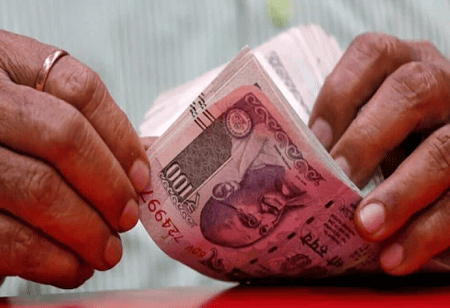
The Indian rupee is likely to get some relief in early trading on Tuesday, helped by a pause in the recent surge in oil prices and a slightly better global risk sentiment.
The currency is expected to open around 92.35–92.40 against the U.S. dollar, a small improvement from its previous close of 92.42. This suggests the rupee could recover a bit after facing pressure in recent sessions.
Key Highlights:
- Rupee may gain as oil prices ease and global sentiment improves
- Brent crude dip offers temporary relief to Indian currency
One of the main reasons for this support is the dip in crude oil prices. Brent crude fell nearly 3% in the last session, giving some breathing room to oil-importing countries like India. At the same time, global cues turned slightly positive, with U.S. stock markets gaining, the dollar easing, and bond yields softening. These factors helped improve investor sentiment.
That said, the relief may not last long. Oil prices have already started rising again in Asian trading, staying above $100 per barrel. Ongoing geopolitical tensions, especially involving Iran, continue to create uncertainty and keep markets on edge.
For India, high oil prices remain a major concern. Since the country imports most of its crude oil, any increase in prices puts pressure on the economy. It widens the trade deficit and adds to inflation, both of which tend to weaken the rupee.
Another factor weighing on the currency is foreign investment outflows. Global investors have been pulling money out of Indian equities, with nearly $1 billion withdrawn in the previous session. This reflects continued caution among investors amid global uncertainties.
Traders are now closely watching global developments, including central bank signals and geopolitical updates. Any sudden rise in oil prices or escalation in tensions could quickly reverse the rupee’s gains.
Also Read: How Rising Rates Are Reshaping Financial Strategy
In the short term, the rupee may see some stability. However, experts believe underlying risks—such as high oil dependence and ongoing capital outflows—could continue to limit stronger gains in the coming weeks.