
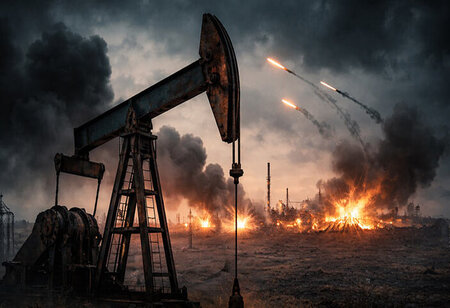
Oil prices declined after Donald Trump announced a temporary pause on attacks targeting Iranian energy infrastructure until April 6, signalling a possible de-escalation in the ongoing West Asia conflict and offering temporary relief to India. Brent crude slipped to around $105–107 per barrel, falling nearly 2%, after recent spikes driven by fears of supply disruptions.
Key Highlights
- Donald Trump pauses Iran energy attacks, oil prices fall easing global supply concerns.
- Lower crude offers temporary relief to India, reducing inflation and fuel cost pressures.
The move follows what Trump described as progress in negotiations with Iran. In a statement, he said talks were “going very well,” indicating a diplomatic window that helped calm global energy markets. Analysts note that the pause has temporarily reduced the geopolitical risk premium that had pushed oil prices above $110 per barrel earlier this month amid concerns over disruptions in the Strait of Hormuz—a key global energy transit route.
The decline offers short-term economic relief for India. As a country that imports nearly 85% of its crude oil, India is highly sensitive to global price movements. Lower crude prices can help ease inflationary pressures, reduce fuel and transportation costs, and improve the current account balance. Sectors such as aviation, logistics, and manufacturing are expected to benefit from softer input costs if the trend sustains.
However, experts caution that the relief may be temporary. The ongoing conflict has already exposed vulnerabilities in global supply chains, with disruptions in the Strait of Hormuz impacting oil flows and pushing prices sharply higher in recent weeks. “Markets are reacting to headlines, but underlying risks remain elevated,” said a market analyst, adding that any escalation after April 6 could quickly reverse the price trend.
Also Read: West Asia Crisis Drives 20-30% Cost Rise in India Semiconductor Sector
Overall, while the pause has brought a breather to global markets and India’s economy, oil prices are expected to remain volatile, closely tracking geopolitical developments in the region.