
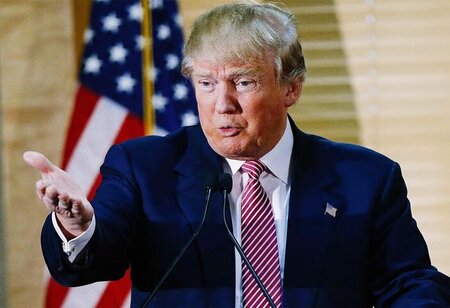
U.S. President Donald Trump has renewed pressure on India by suggesting that the United States could quickly impose higher tariffs on Indian goods if New Delhi does not curb its imports of Russian oil. Speaking to reporters aboard Air Force One, Trump said that Prime Minister Narendra Modi “knew he was not happy” with India’s energy decisions, signalling that trade tensions could escalate further if the issue remains unresolved.
Key Highlights
- Donald Trump hinted at fresh tariffs on India over continued Russian oil imports.
- The remarks signal renewed trade tensions amid ongoing US–India diplomatic and economic negotiations.
Trump indicated that Washington retains the option to raise duties “very quickly” if India’s policies continue to diverge from U.S. expectations, highlighting the strategic leverage provided by trade ties. The remarks come against the backdrop of ongoing negotiations between American and Indian officials, aimed at resolving broader bilateral trade disputes, including agricultural market access and tariff levels.
Last year, the Trump administration had already doubled tariffs on some Indian imports to about 50 %, partly as a response to India’s continued purchase of discounted Russian crude. Despite these punitive measures, India’s exports to the U.S. showed resilience, with some categories posting gains even amid trade friction.
Also Read: India & Russia Set $100 Bn Trade Goal by 2030, Continue Crude Ties
Trump’s comments reflect growing frustration in Washington over New Delhi’s energy strategy, particularly its ties with Russia amid the ongoing conflict in Ukraine. While India has reduced its Russian oil purchases in recent months, it has maintained that its energy policy is driven by domestic needs and market realities.
The trade dispute underscores the complexity of U.S.–India relations, where cooperation on strategic and geopolitical fronts coexists with disagreements over trade and tariffs. Both governments have reiterated their commitment to continued dialogue, even as they navigate these competing priorities.
.jpg)