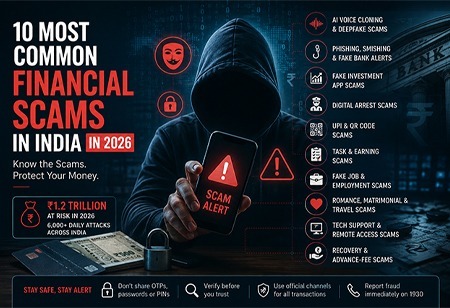
6. Task Scams & Fake Job Scams in India
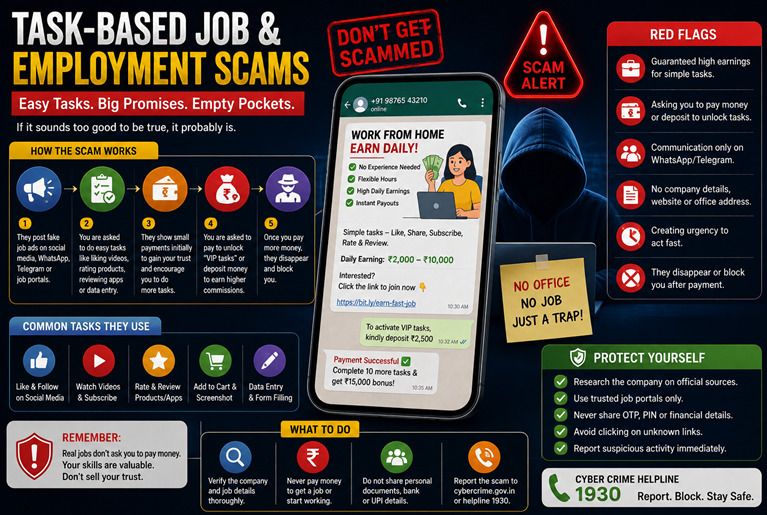
● The Real Scenario: A college student or homemaker receives a WhatsApp text offering a remote part-time job paying ₹3,000–₹5,000 daily just for liking YouTube videos or rating hotels on Google.
● How It Works: The scammers initially pay real money (₹200 to ₹500) to build trust. Once hooked, they move the victim to Telegram and demand "prepaid tasks" or "investment deposits" to unlock higher-paying assignments. The moment the victim deposits large sums, the scammers disappear.
● How to Avoid: Legitimate companies never ask employees to pay money to get a job or complete work tasks. If a job asks you to pay to earn, it is a scam.
What Financial Industry Experts Recommend
Paytm explains that legitimate incoming payments don't require the recipient to approve a payment request, and recommends verifying the nature of the transaction before acting.
Paytm's broader 2026 UPI fraud guidance also identifies wrong-transfer scams, where someone claims to have mistakenly transferred money and asks the recipient to send it back
The Scale of Task-Based Job Fraud (2026 Data)
Task and job scams are becoming more personalized. McAfee's 2026 scam research found that job scams were becoming increasingly targeted, with fraudsters tailoring outreach to specific roles, industries and career stages. The use of AI is also expected to make fake job postings, onboarding processes and even employment documents more convincing
● The Fastest-Growing Cyber Threat: According to national cybercrime cell reports, task-based employment scams make up over 40% of all reported freelance work frauds in India.
● High Individual Financial Damage: While the trap starts with small payouts, the average individual loss for victims who enter the "prepaid task" phase ranges between ₹50,000 to ₹8 Lakhs. Victims frequently deplete their savings or take out instant personal loans to fund the fake upgrades.
● WhatsApp and Telegram as the Core Pipeline: Over 90% of these scams originate via automated WhatsApp messages from international numbers (often showing country codes like +234, +62, or +1). Once the victim completes the first free trial, they are moved to Telegram to join "VIP task groups" filled with fake bots posting screenshots of high earnings.
● The Psychological Trap: The scam works because of initial reinforcement. By paying the victim a genuine ₹150 or ₹300 for liking 3 YouTube videos, the scammer bypasses the victim's natural skepticism. The victim feels they are playing with "earned money" until they are trapped.