
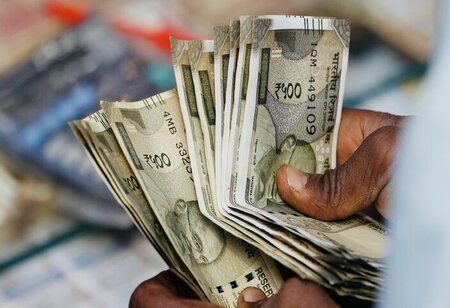
The Indian rupee traded at Rs 95.19, down 25 paise from its closing price of Rs 94.94 on the previous day, against the dollar. Domestic currency has been on the defensive due to high crude oil prices, weakness in Asian currencies and uncertainties in global economic conditions.
Key Highlights
- The Indian rupee weakened to Rs 95.19 against the US dollar amid rising crude oil prices and foreign capital outflows.
- Elevated oil prices and global uncertainty threaten India’s import costs, inflation outlook and currency stability.
The Indian rupee's decline coincides with the period of investors' cautious attention to international energy prices and the US Federal Reserve's upcoming announcement. All of these may impact the foreign investments, currency flows and overall investment climate of the financial markets in India.
Crude Oil Prices Add Pressure on the Rupee
High crude oil prices have become a significant worry for India's external finances. Near $115 per barrel, Brent crude was near a six-month high following developments that added to worries about potential disruptions to global energy supplies.
Import of crude oil is a major dependence of India to fulfill its energy requirement. The rise in international prices of oil generally leads to a demand for more dollars by the country for imports, which puts further pressure on the rupee.
Should the crude oil prices continue to rise, it may also lead to an adverse current account balance for India and further increase the country's trade deficit. Depending on the extent to which the increase is passed on to consumers, higher import costs could eventually lead to higher domestic fuel prices, transportation costs and inflation.
Foreign Capital Outflows Weigh on Currency
The other factor affecting rupee is foreign investment movement. Foreign investors remitting money out of Indian equity and debt markets could remit their rupees back as foreign currencies, which will boost the demand for dollars.
These investment decisions can be affected by the uncertainty and expectations of global interest rates, particularly in the United States. Other emerging-market currencies, such as the rupee, could be at further risk should investor confidence be boosted in assets denominated in dollars.
A cheaper rupee would work in favour of some exporters since more rupees would be available for foreign income. However, firms relying on raw material imports, fuel or foreign currency payments will face increased expenses. The overall effect depends on the export share of individual businesses, on the currency requirements of imports and on the businesses' currency hedge planning.
Also Read: Rupee Falls to 94.98 Against Dollar as Oil Prices Surge
Outlook for the Indian Currency
Crude oil prices, foreign investment and the dollar and the US Federal Reserve's policy decision will be closely watched by participants in the market for additional guidance.
The Reserve Bank of India, too, could continue to play a crucial role in currency-market dynamics. Volatility is often determined by several factors, both domestic and international, but its foreign exchange operations can help to control excessive volatility.
The Indian rupee's movement will continue to closely follow energy prices, capital flows, and global financial conditions for businesses and investors. If the oil prices continue to rise, it will put pressure on the import bill of India, but if the prices of oil drop and capital inflows improve it may provide some relief to the domestic currency.